

Published on 8 May 2026
Alpine flora and fauna
Mountains cover two thirds of Switzerland's surface area. From scorching to freezing temperatures, from poor to lush vegetation, from very dry to very wet climates: mountains are a rich tapestry of natural habitats, home to a range of animals and plants that have adapted to the challenging conditions.
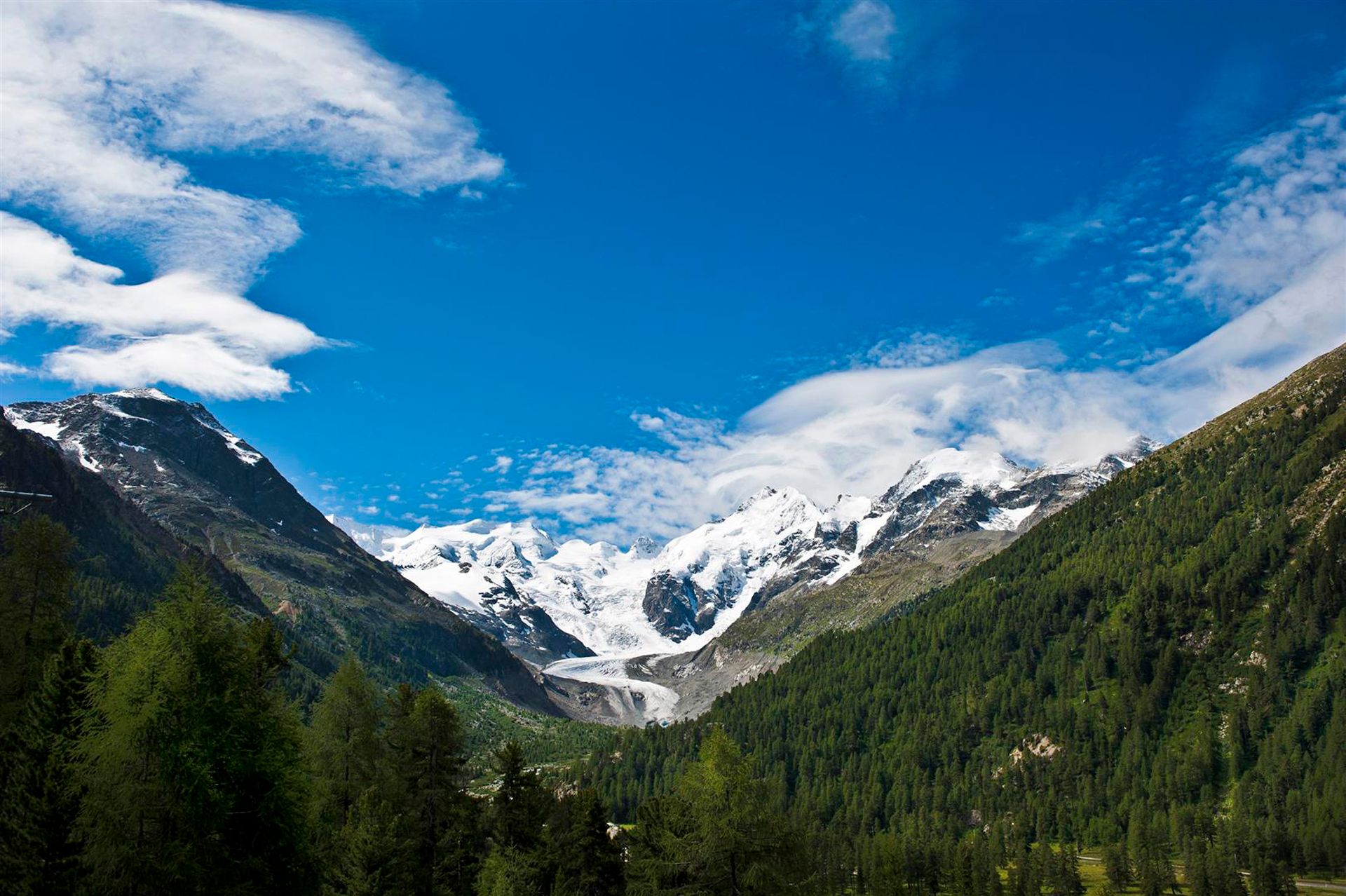
Alpine environments provide a sanctuary for many rare animal and plant species and embody the diverse beauty of nature. They are a unique wildlife habitat.
Many Alpine species were decimated or completely wiped out by the beginning of the 20th century due to human exploitation and hunting, but some species such as the ibex, chamois and bearded vulture were reintroduced.
Switzerland is committed to preserving the biodiversity of its mountains and shares its expertise in cooperation projects. In this way, the country uses its experience of tackling social, economic and environmental issues for the benefit of other mountain communities.
Alpine fauna
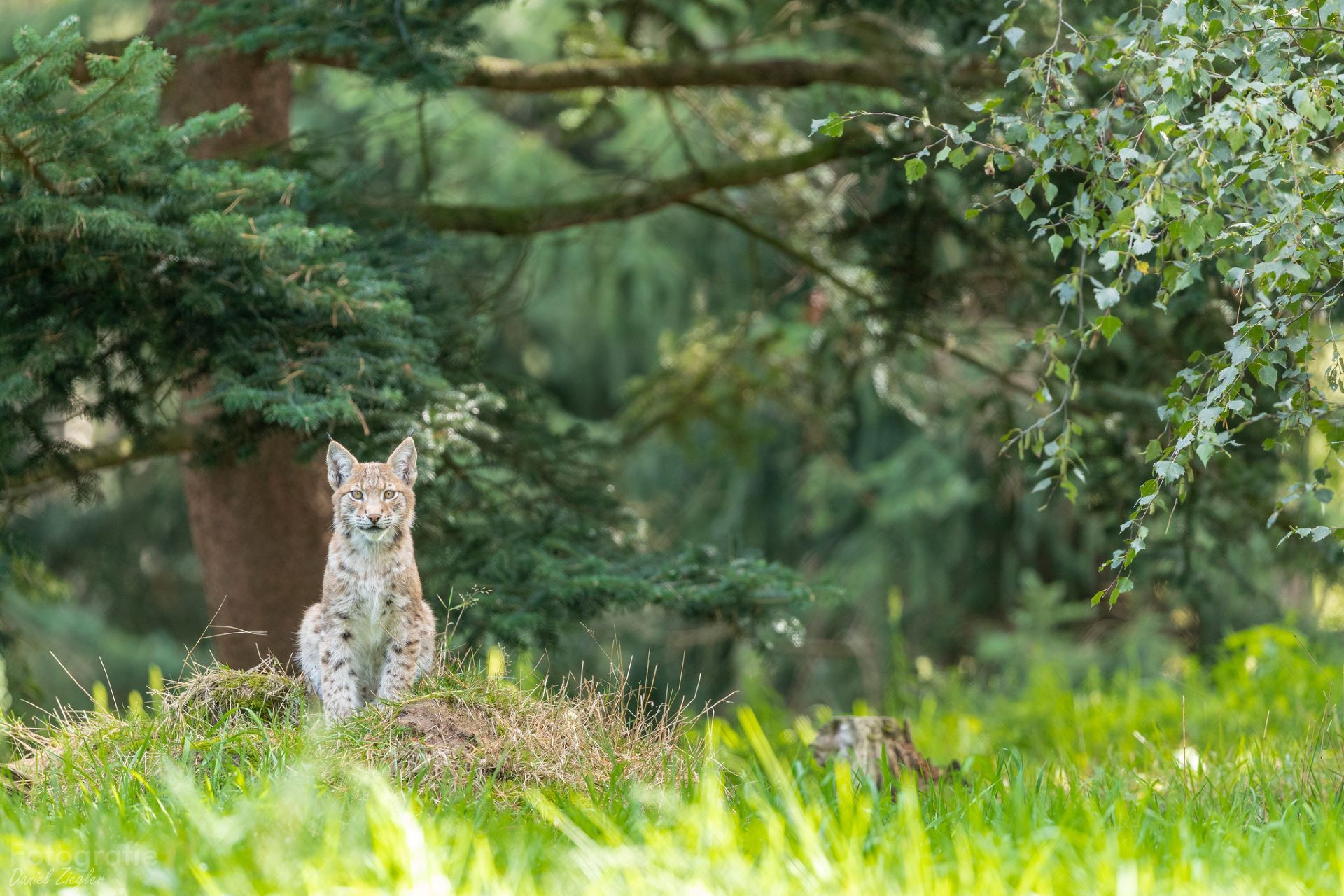
The Alps provide a sanctuary for a wide range of animals, from hoofed mammals to reptiles and even large predators. Before they were wiped out, wolves, lynxes and bears were also native to the Alps, and are now gradually returning to Switzerland.
Chamois
The chamois is perhaps the best-known Alpine mammal. Thanks to its superb agility, it is able to navigate its way through the rocky landscape with remarkable ease. In Swiss folklore, the chamois is often placed under the protection of mountain spirits, but that has never put off human hunters. The total chamois population, in both the Alps and the Jura, is currently estimated at around 90,000.
Ibex
The ibex is a skilful climber, even on the steepest inclines. The rocky slopes of the Alps are its preferred habitat. In the past, it was believed to have medicinal properties. Such was the demand for ibex-based cures that the animal had been hunted to extinction by the 19th century. Between 1920 and 1930, Graubünden reintroduced the ibex, whose image adorns the canton's flag and coat of arms. The ibex has also been reintroduced in the cantons of Valais and Bern. The total population is currently estimated at about 21,000.
Marmot
Marmots live in family groups of 15 or so members. They dig their burrows in open meadows and only come out to feed. Since they hibernate for about six months, they spend much of the summer and autumn feeding in order to build up their winter fat reserves. Marmots are fairly easy to spot during the summer months. They are even easier to hear due to the high-pitched whistling noise they make when they feel threatened. Originally marmots were found only in the Alps, but have now settled in a few places in the Jura mountains as well.
Alpine salamander
The black salamander, or alpine salamander, is the only amphibian in Europe to give birth to live young. It is black in colour and can be found at up to 3,000m in altitude. For female salamanders living above 1,400m, the gestation period can last for as much as three years. It prefers damp habitats such as alpine meadows, dwarf shrub heathlands and scree slopes. They can grow up to 16cm long and mainly consume beetles, spiders and larvae.
Lynx
The lynx is the largest wildcat in Europe. It plays an important role in the ecosystem by hunting small hoofed mammals like deer and chamois. There are currently around 300 lynx living in Swiss forests. Although the population is now stable in Switzerland, the lynx remains an endangered species in Central Europe.
Wolf
The wolf returned to Switzerland around 25 years ago. Since then, the population has continued to grow. The animals migrate from Italy and France, where wolf populations are expanding again. The first pack formed in 2012. There are currently more than 30 packs with over 300 wolves living exclusively in Switzerland, as well as several packs with cross-border territories. Switzerland is not actively seeking to reintroduce wolves. However, given that the animals have migrated naturally, the authorities have put a plan in place to respond to their return.
Bear
After more than a century of absence, brown bears have been returning to Switzerland since 2005 from Italy's Adamello-Brenta Nature Park. The animals usually only roam briefly through the Alps in the canton of Graubünden before migrating back to Italy. A permanent population has not yet been established because the bears have all been male.
Alpine bird species
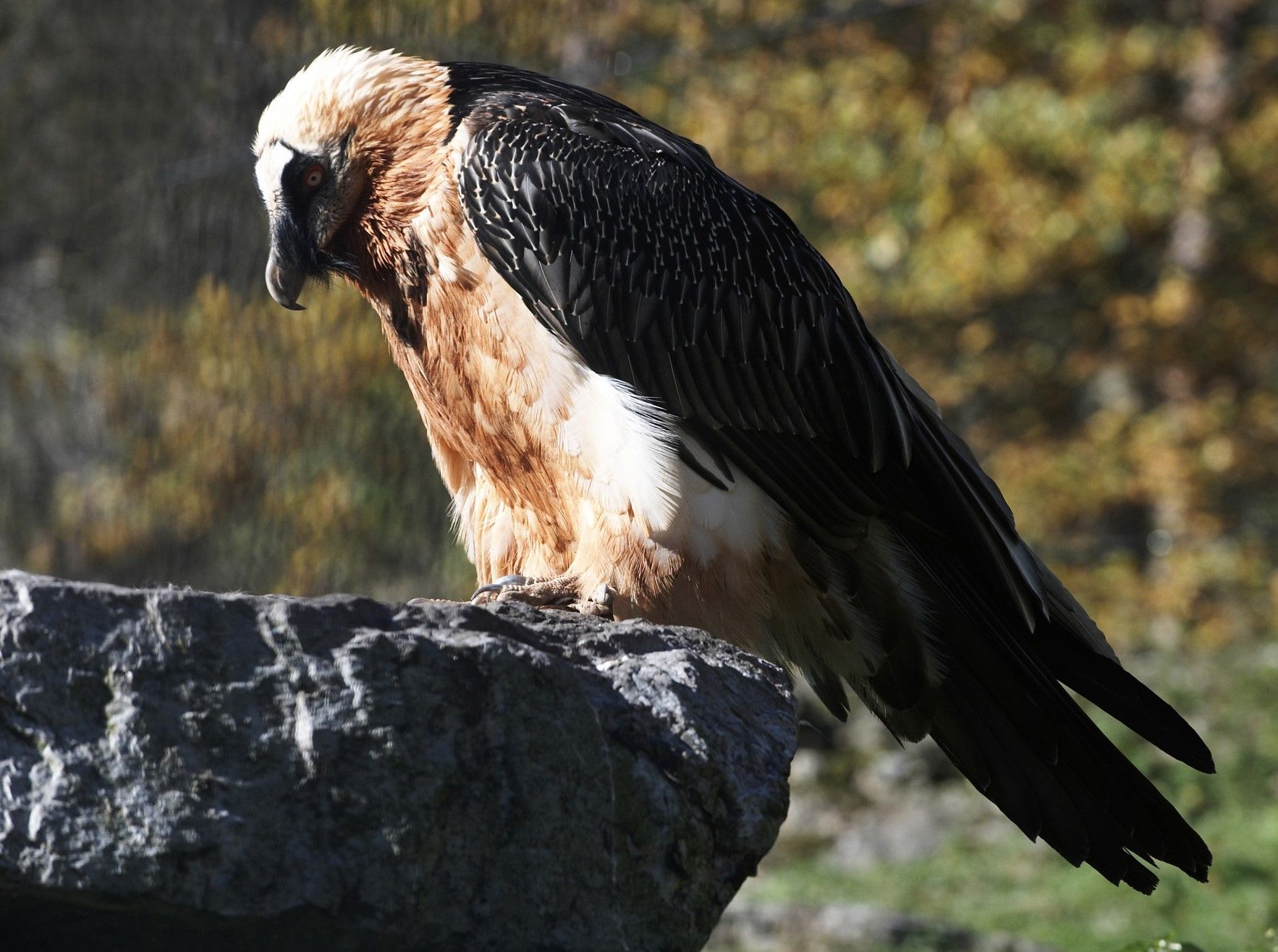
The Swiss mountains are home to a number of magnificent birds like the golden eagle, bearded vulture, spotted nutcracker and black grouse. They are a commanding presence in the Alpine skies.
Golden eagle
The golden eagle is one of Switzerland's largest birds of prey, with a wingspan of up to two metres. It feeds mainly on small mammals, especially hares, marmots and foxes. They have excellent eyesight: research has found that they can see a hare one kilometre away. The golden eagle lives at altitudes of between 1,500 and 3,000m. They pair for life, and each couple has a territory of between 50 and 100km2. Switzerland is thought to have about 350 breeding pairs in the Alps and pre-Alps.
Bearded vulture
The bearded vulture takes its name from the black bristles hanging at the base of its beak. It is not only the largest bird in the Alps, thanks to an average wingspan of 2.8m, but is also the only species of vulture that has mastered the art of eating bones. The increasing scarcity of its food sources (including chamois, ibex and goats) coupled with persecution by humans, who believed it ate lambs, and even babies, led the bearded vulture to disappear from the Alps in the latter half of the 19th century. A reintroduction programme was launched in the 1970s, involving not only Switzerland, but also Austria, France, Germany and Italy. The bird of prey can once again be found across the Alps. The total population is currently estimated at 350.
Spotted nutcracker
The spotted nutcracker is only 30cm long and weighs between 150 and 210 grammes. In the Jura mountains, it is commonly found at altitudes of 700m and higher. In the Alps, it lives at heights of 1,000m or more and even as high as the tree line. In winter, it digs holes up to 130cm deep in the snow to store its provisions. The spotted nutcracker plays a vital role in the life cycle of the Swiss stone pine, a conifer which grows in the central Alps at altitudes of over 1,100m. In winter, it feeds on the pine seeds from its cache buried throughout the forest. Any seeds that are left uneaten at the end of winter can then germinate in spring and produce the next generation of conifers.
Black grouse
With its bluish-black plumage and lyre-shaped tail, the male black grouse is an eye-catching bird. The female is smaller and its feathers are reddish brown. The natural habitat of the black grouse is subalpine areas, at elevations of between 1,200 and 2,200m. In winter, it digs a shelter in the powdery snow to protect itself from the extremely low temperatures outside. Its plumage is an excellent insulator and the fleshy bristles that grow along the side of its toes help the grouse to move in the snow. It feeds on a variety of flowers, fruits, buds and heather. In winter, pine and fir needles also feature in its diet.
Alpine flora
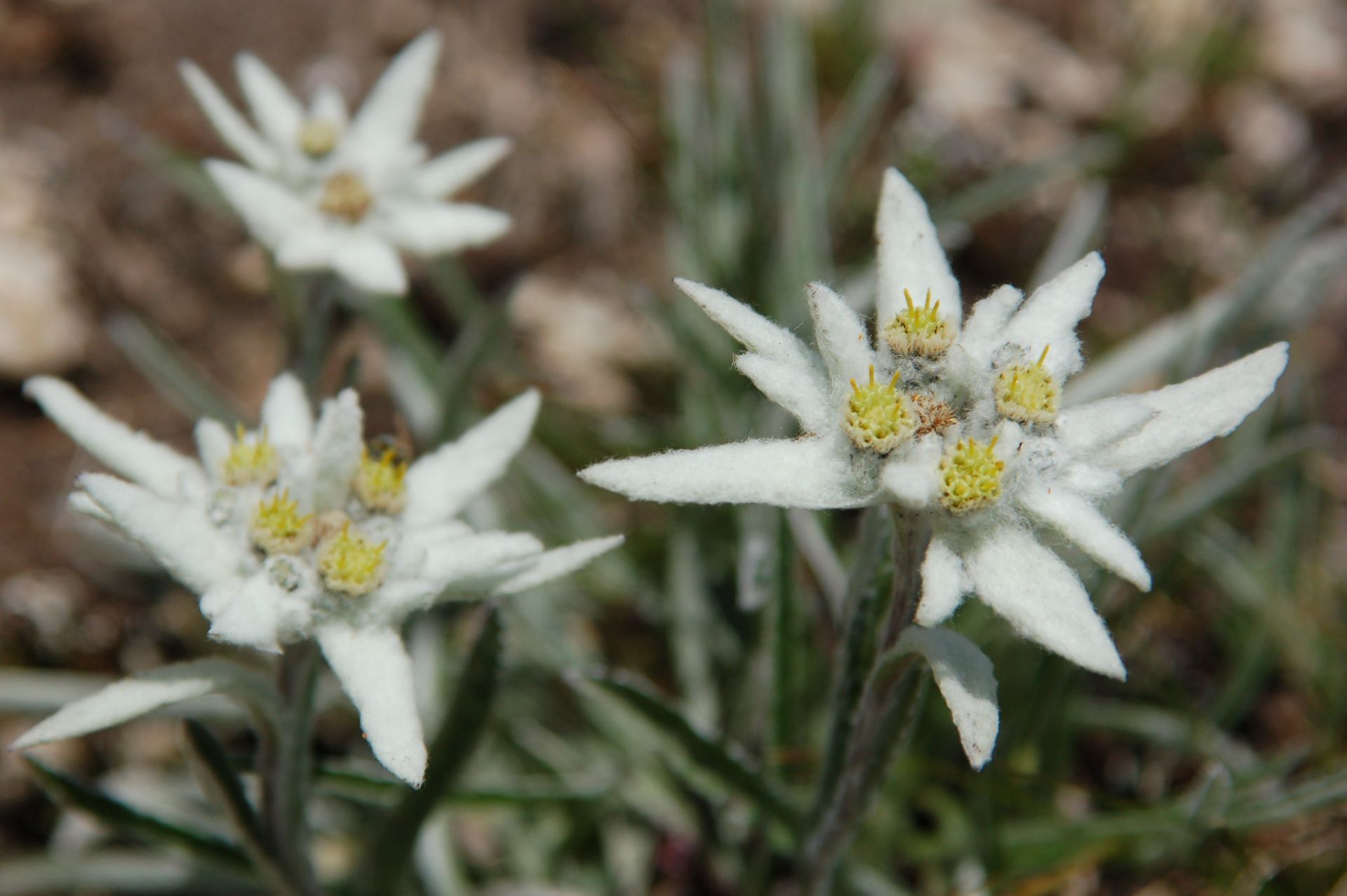
Six hundred species of flowering plants are found exclusively in the Alps or have their primary range there. The areas above the tree line may look hostile and barren, but they contain an astonishing collection of microhabitats where biodiversity flourishes. This impressive variety of flora and fauna reflects the varied topography of these habitats.
Edelweiss
Researchers believe the flower migrated from Asia to the Alps during the Ice Age. Today, it can be found in most Alpine countries at high altitudes (2,000 to 3,000 metres). It blooms from July to September on exposed limestone rocks, but it can also be found at the edge of meadows. Every part of this seemingly delicate flower is able to withstand extreme weather, from the wind-resistant stems to its downy bracts which prevent evapotranspiration and block UV rays. Today, the edelweiss not only represents a connection to the nature and beauty of Switzerland but is a hallmark of Swiss quality and uniqueness.
Survival strategies
The edelweiss may be the most famous Alpine flower but the purple saxifrage, which has been spotted at altitudes as high as 4,500m, is the hardiest. Plants growing on rock faces have developed various strategies to deal with water scarcity. Some are covered in hairs, which deflect the sun's rays and also form a protective layer that locks in moisture. Others have a waxy coating, which serves the same purpose. Succulents store water in their thick leaves and many of them form rosettes so that the leaves shade each other, while others grow close to the ground to avoid drying out in the Alpine winds.
Reproduction
The bright colours of Alpine meadow flowers are vital to their survival and reproduction. First, the pigments they contain protect them from the intense ultraviolet rays found at high altitude. Second, their bright colour helps them to attract as many bees and other pollinating insects as possible during the few fair weeks of spring. Without the help of pollinators, the flowers would not be able to reproduce.
Anti-herbivore defence
Plants that share their habitat with grazing animals run the risk of being eaten before they have had time to reproduce. Evolution has equipped some species with powerful defensive weapons. Some have short, tough, prickly leaves, which ruminants tend not to like too much, increasing the lifespan of the plant and boosting its chances of successfully reproducing. To avoid being trampled by hooves, some delicate plants only grow close to rocks or cliffs. Others have strong root systems which help them withstand an assault by grazing animals.
On the rocks
As glaciers melt, they leave behind unstable, stony ground, devoid of water and nutrients. Yet specially adapted plants are able to grow in this apparently inhospitable terrain. Mosses move in first, producing a thin layer of humus when they die, which gives the saxifrages and toadflaxes a chance to take root. The greatest problem for these pioneers is not so much the lack of soil as the constantly shifting ground. To protect themselves, even the tiniest plants anchor themselves with roots that can grow up to a metre deep. Thanks to this underground network, the plant is able to sprout new shoots if it finds itself buried by stones. The mountains are also home to one of the world's smallest trees, the dwarf willow, which keeps its trunk below the surface, leaving just a few small leaves poking out. Not only does this strange way of growing keep it warm, it also shelters it from the wind.
Cooperation projects
Switzerland has a long-standing commitment to promoting the sustainable development of mountain regions worldwide. Drawing on its extensive experience and the expertise of Swiss specialists, the SDC supports other mountain communities in overcoming social, economic and environmental challenges. In doing so, it consistently strives to strike the best-possible balance between conservation and development.
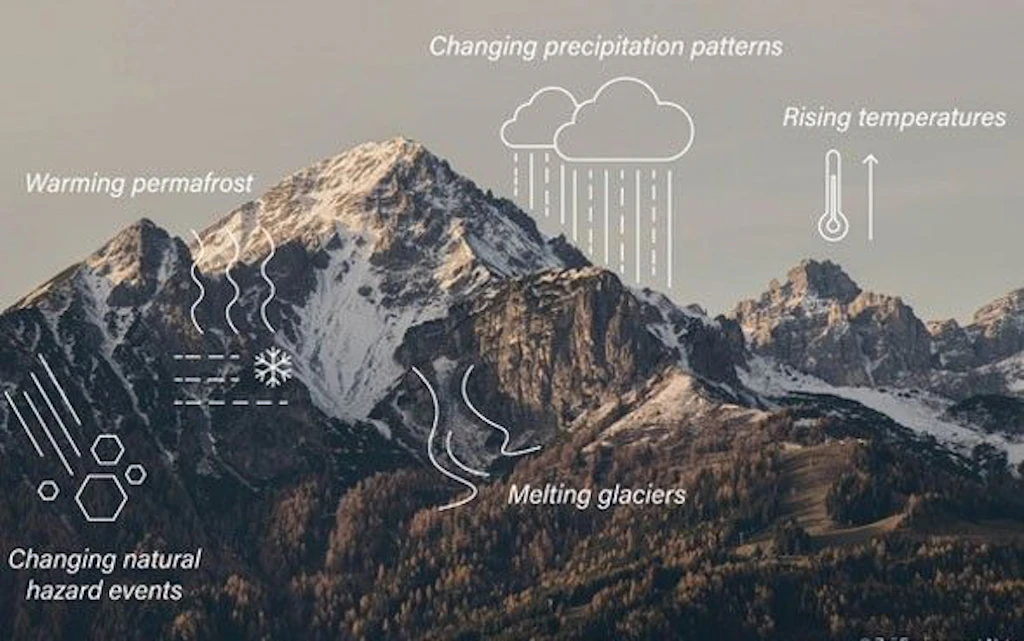
The SDC's Adaptation@Altitude programme helps mountain regions around the world to adapt more effectively to the consequences of climate change. In the four priority regions of the Andes, the Hindu Kush-Himalayas, East Africa and the South Caucasus, reliable climate data is collected, regional adaptation strategies are developed and exchanges between practitioners and policymakers are promoted.
Following a successful first project phase, the programme will be continued and expanded until 2027. The focus is on exchanging knowledge, ensuring the effectiveness of adaptation measures and enabling the structures supported to continue functioning independently beyond the project period.
Findings from such international projects, especially those involving Swiss experts, often feed back into research and practice in Switzerland. They contribute to global knowledge advancement and thus also to the development and protection of Swiss mountain regions.