Cheese
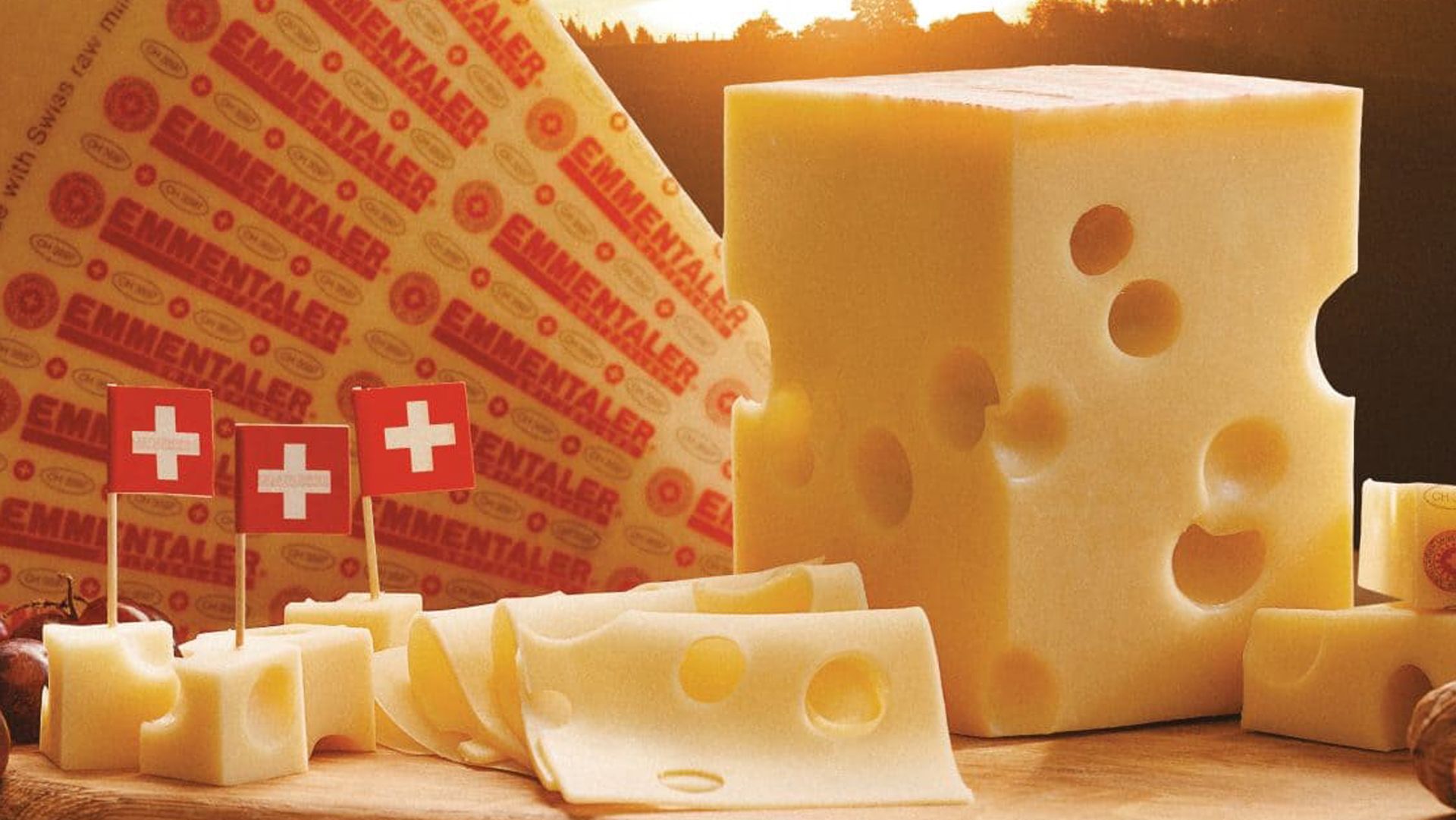
The Swiss have been making cheese for centuries, for both their own consumption and export. Emmental is renowned worldwide as the quintessential Swiss cheese with holes. With such excellent quality and so much variety to choose from, it's no wonder the Swiss are big cheese eaters.
Whether as sandwiches, finger food, lunch or dinner, hot or cold dishes, a fondue or raclette, the Swiss consume a lot of cheese – over 20kg per person each year.
Switzerland is cheese country: around 200’000 tonnes of cheese are produced in Switzerland every year. More than a third of this is exported, mainly to other European countries, especially Germany.
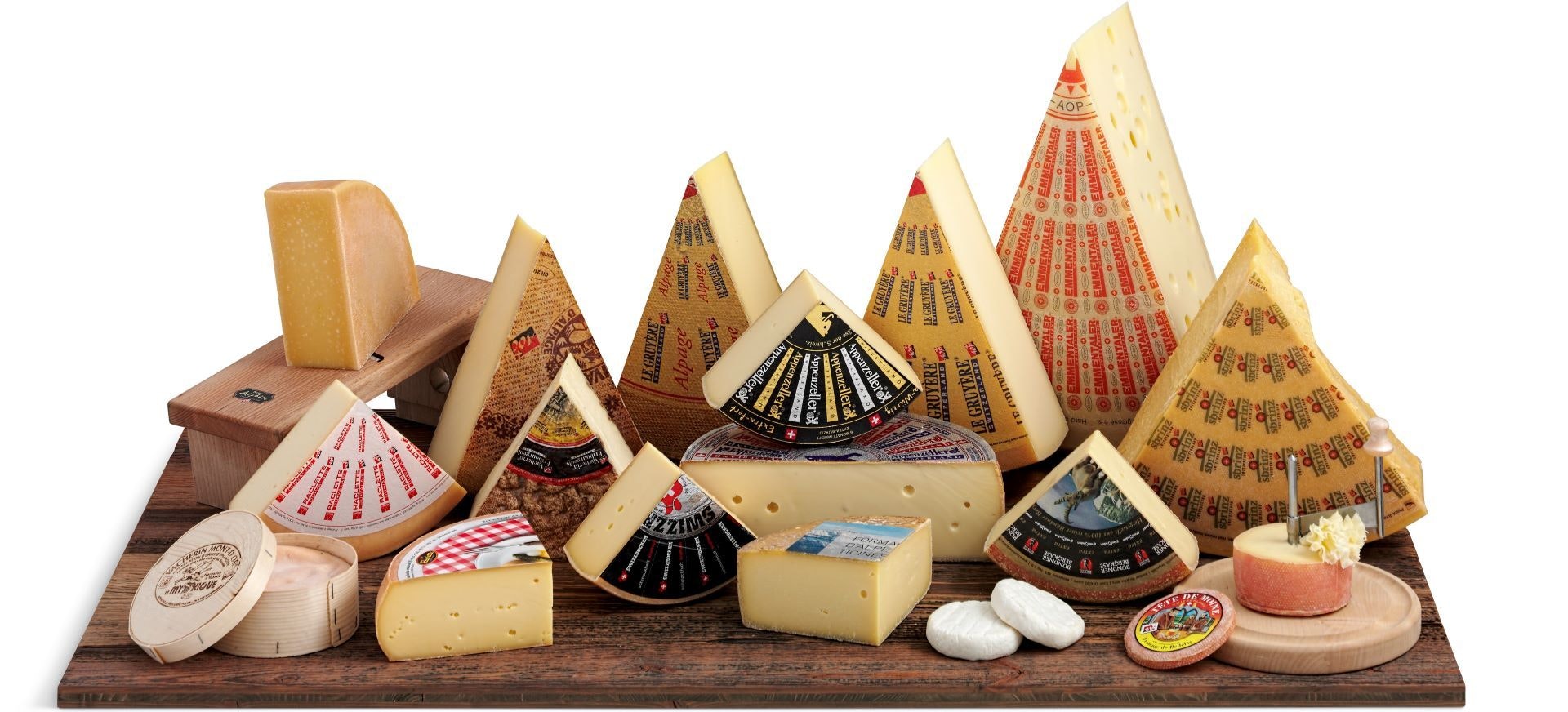
There are more than 700 types of cheese in Switzerland, whether as hard cheese, soft cheese, extra-hard cheese, cream cheese, Alpine cheese or farm cheese. The most popular Swiss cheese around the world is Emmental, the cheese with the holes – often simply called ‹Swiss cheese›. Within Switzerland, the most popular cheese is Gruyère, although Sbrinz, Appenzeller, Raclette and Tête de Moine also enjoy an excellent reputation.
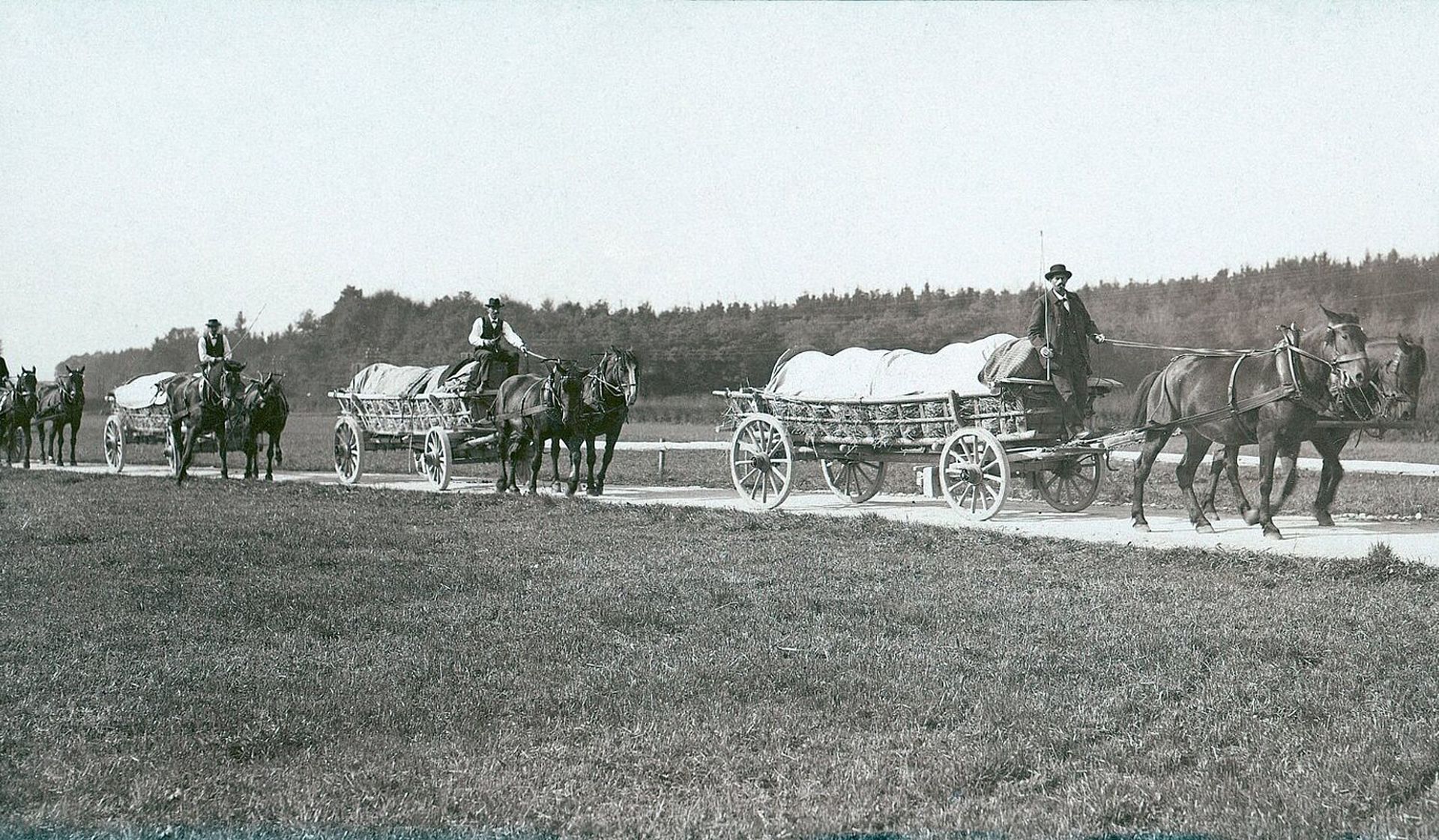
Swiss farmers have traditionally relied on livestock farming, as much of the cultivated land is not suitable for growing crops. Making cheese was a traditional way to preserve milk which would otherwise spoil rapidly. Cheese then grew into an important commercial commodity. To this day, Swiss cheese remains a natural product, with no preservatives, food colourings or flavour enhancers used.
Milk and the holes in the cheese
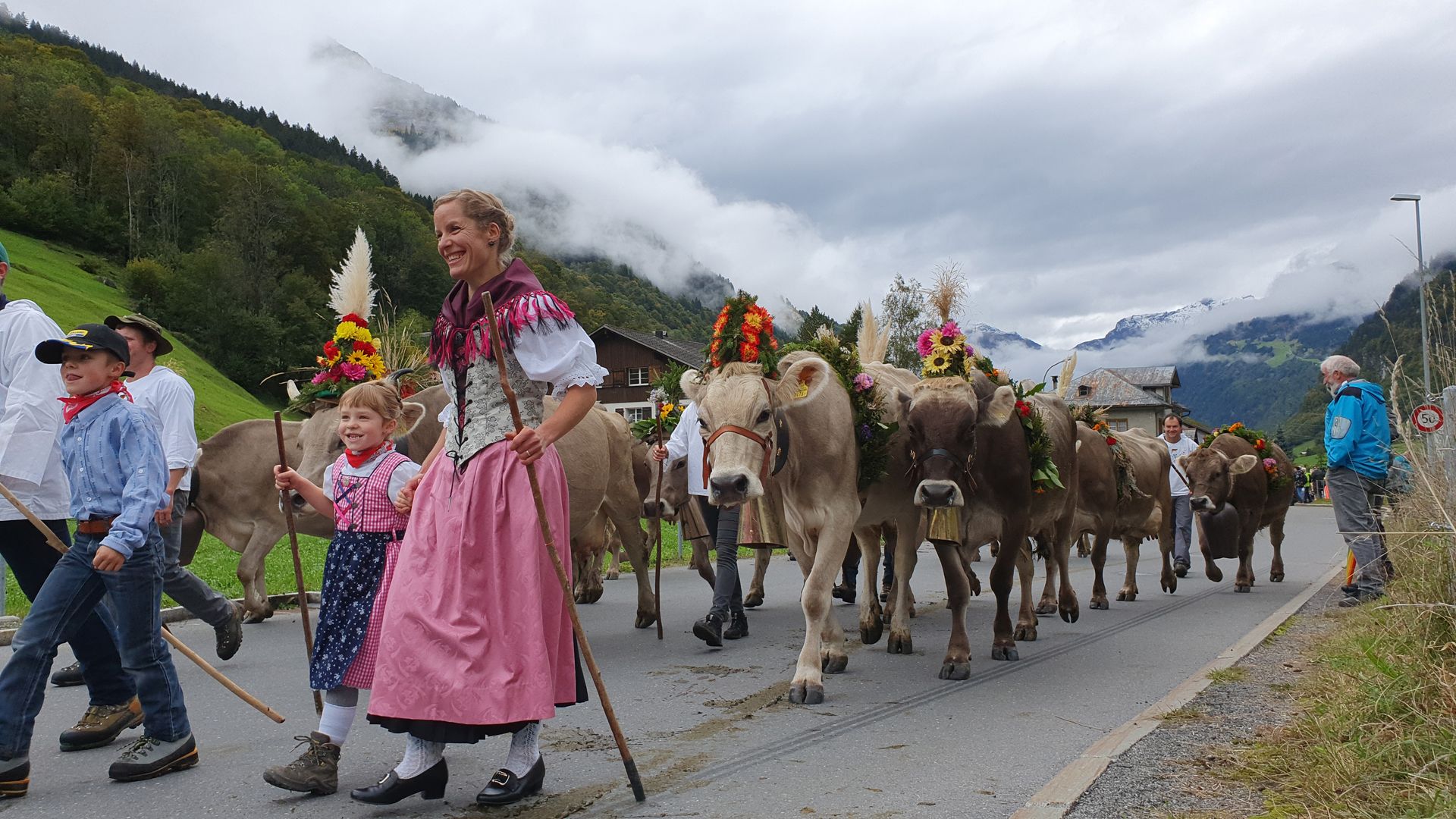
Traditions surrounding Alpine cheese
Cheesemaking
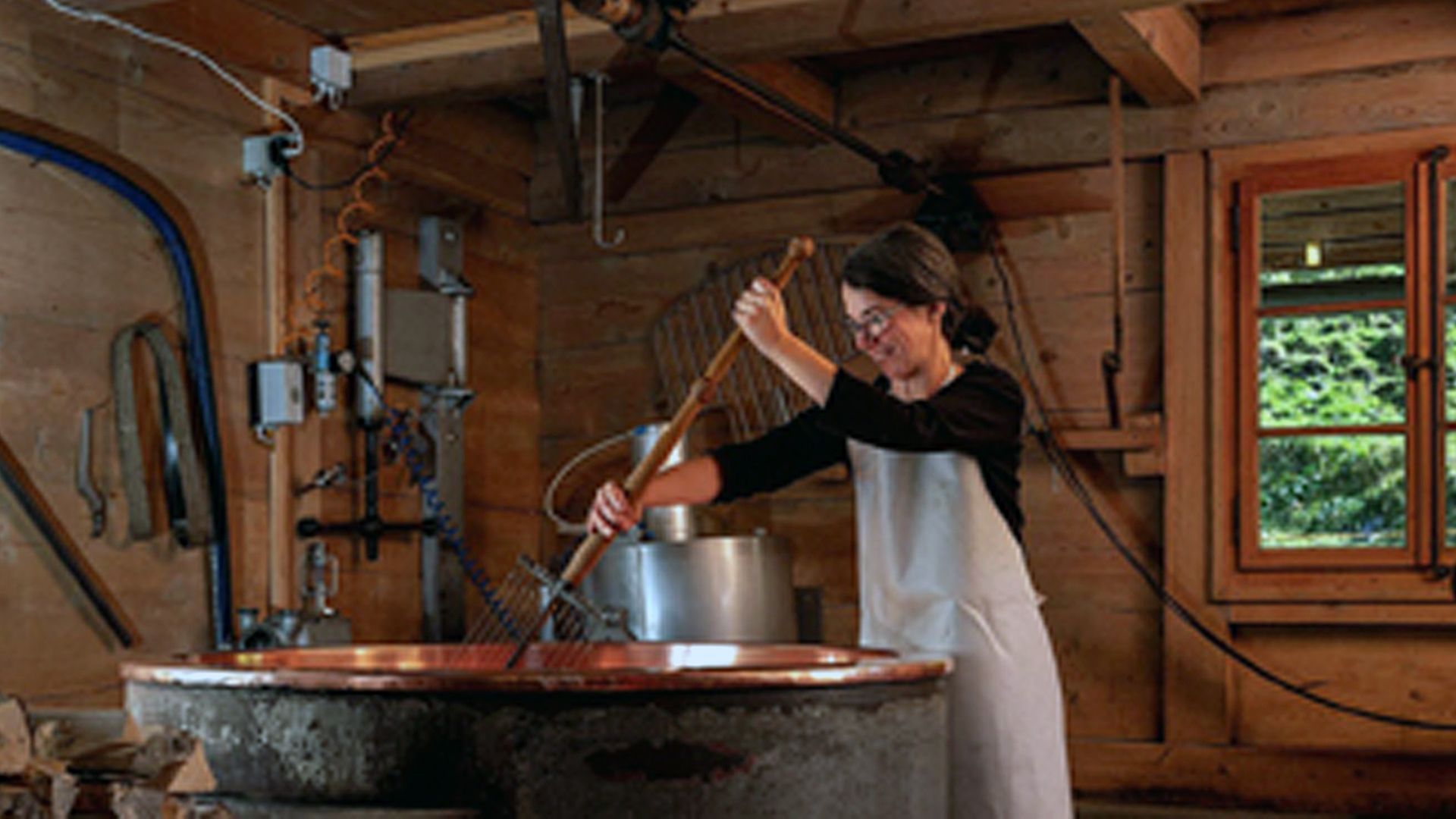
History of cheesemaking