
Secondary schooling
Upper-secondary level schools serve to prepare students for the next level of education, the tertiary level: baccalaureate schools prepare students for universities or other higher education institutions, while upper-secondary specialised schools pave the way for professional education institutions. Both schools provide a general education, but the upper-secondary specialised schools have a vocational slant.
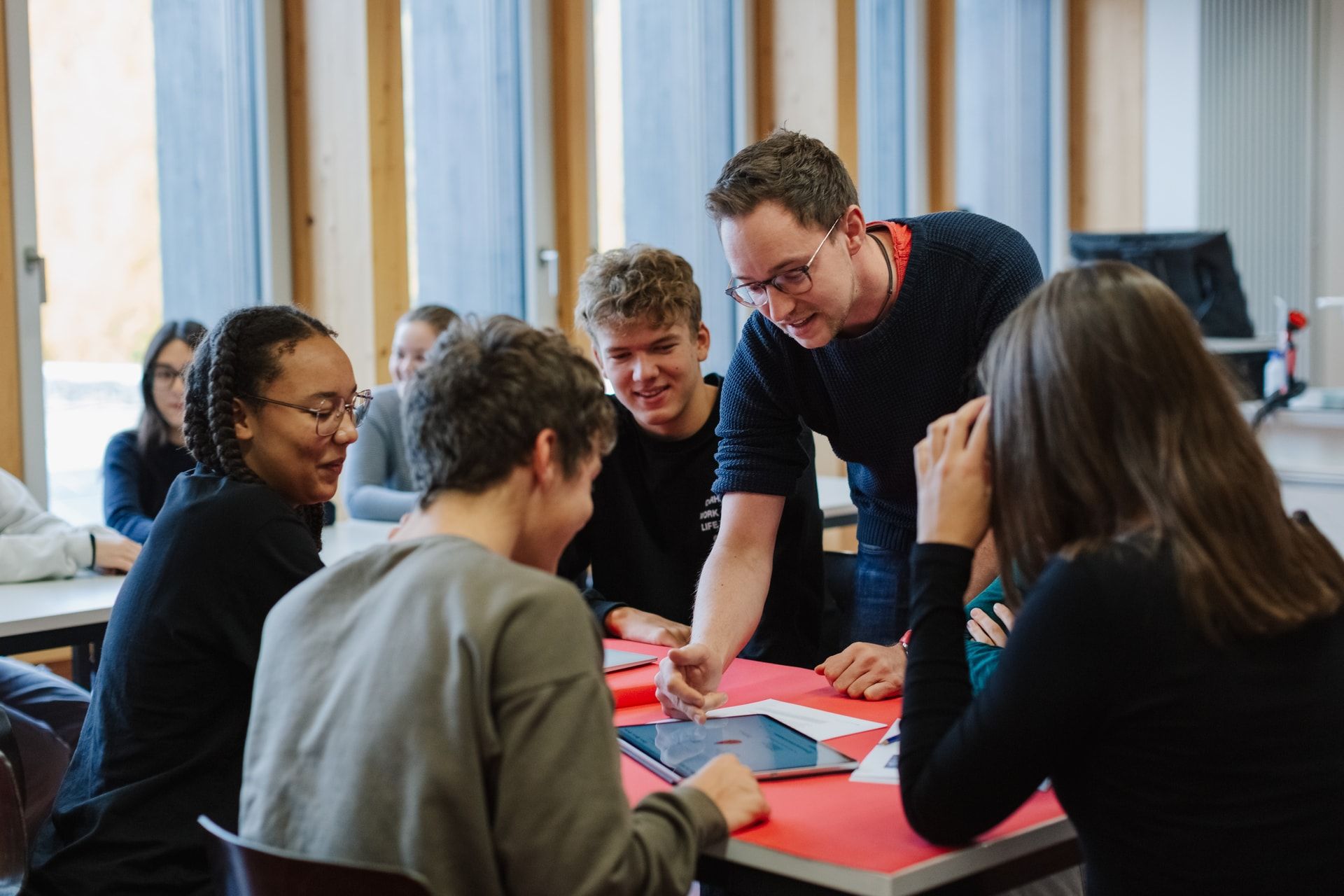
Young people who do not learn a trade after compulsory schooling usually prepare for entry into tertiary education by attending a general secondary school. These upper-secondary level schools start from the age of 15.
Baccalaureate school
Students are usually admitted to baccalaureate school after completion of the lower-secondary level, i.e. compulsory schooling, subject to their academic performance to date. Overall assessments, grades and entrance examinations or a combination of these can be used to determine performance.
Baccalaureate school usually lasts four years. For the three-year baccalaureate stream, one year of pre-baccalaureate studies must be completed in the last year of lower-secondary school. In some cantons there are extended baccalaureate schools spanning six years, which children attend straight after primary school. The organisational form of the baccalaureate schools is a cantonal matter.
After passing their final exams, students receive the baccalaureate certificate, which gains them admission to a university or a university of teacher education and is recognised throughout Switzerland. The baccalaureate certificate also entitles the holder to enter a university of applied sciences or a professional education institution, although in some cases a certain amount of professional experience must be proven.
Adults wishing to retake their baccalaureate can attend a recognised baccalaureate school. However, a baccalaureate certificate can also be obtained without having previously attended a baccalaureate school. The examination is free of charge, and examinees can prepare through a private baccalaureate school or can be self-taught.
Upper-secondary specialised schools
Upper-secondary specialised schools are general secondary schools that prepare students for professional education in a specific vocational field. They offer an alternative to the paths leading to a (federal vocational) baccalaureate certificate. Upper-secondary specialised schools specialise in the following occupational fields:
- health
- social work
- pedagogy
- communication and information
- art and design
- music and theatre
- applied psychology
Attended directly after compulsory schooling, upper-secondary specialised school lasts three years. Successful completion earns students a certificate which is recognised throughout Switzerland, granting the holder admission to a higher professional education institution in their specialised field. The specialised baccalaureate entails one additional year of study, following on directly from upper-secondary specialised school. After successful completion, students receive the specialised baccalaureate certificate, which gains them admission to a university of applied sciences in their specialised field.