
Social Aspects
The residents of Switzerland benefit from a robust social safety net. Switzerland's unemployment rate is one of the lowest in Europe. Thanks to a stable labour market with low unemployment, Swiss salaries are high by European standards. Almost a third of this income is spent on maintaining a comprehensive system of health and social services.
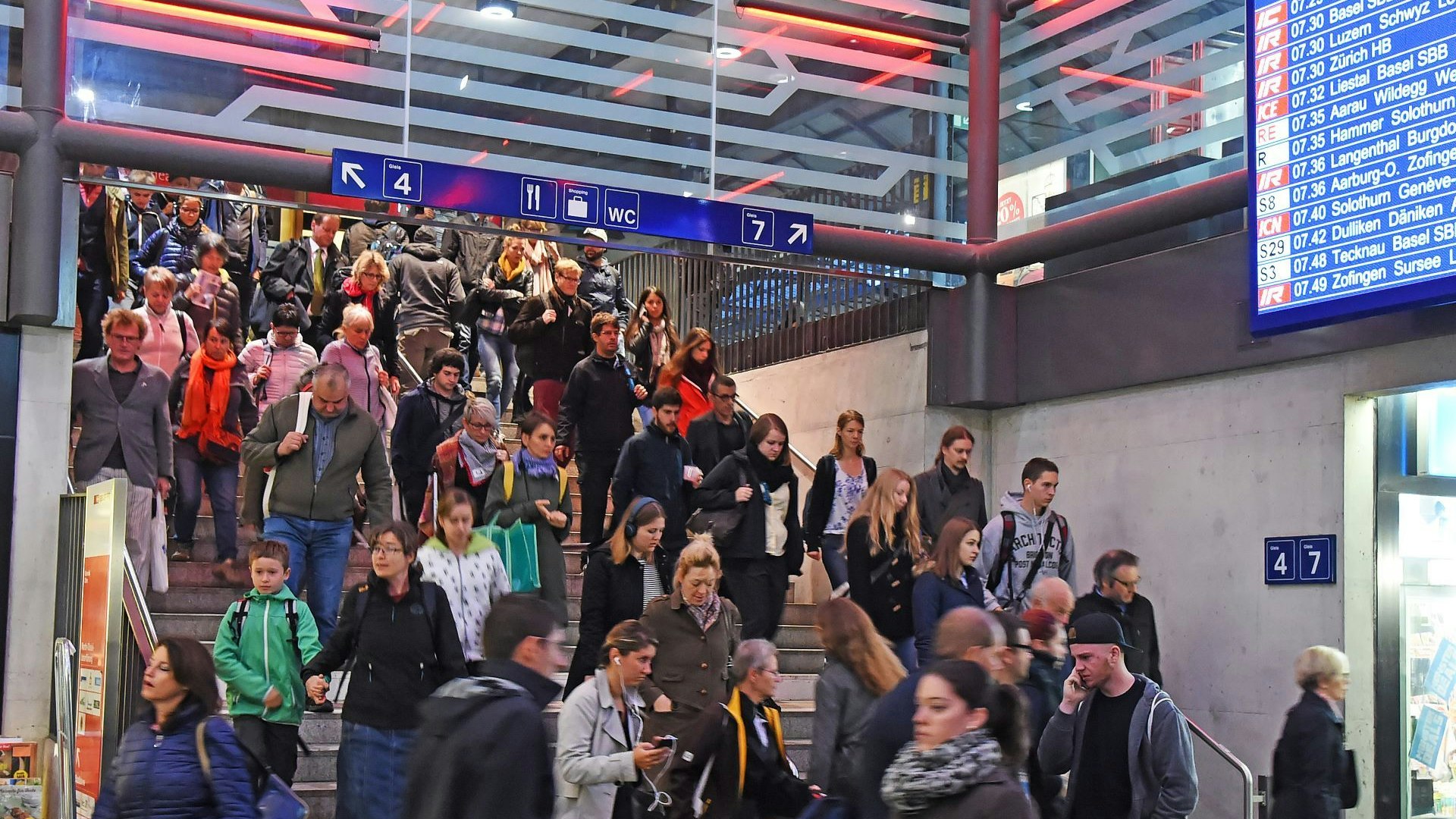
Switzerland has a stable labour market, low unemployment and a high GDP per capita. Strikes are remarkably rare thanks to a social partnership between employees and employers.
Although Switzerland's high wages are offset by a high cost of living, the average household manages to save around 15% of its income. On average, the Swiss spend almost one-third of their income on social security contributions, taxes and health insurance. This pays for high-quality – though expensive – healthcare services and a comprehensive social insurance system.
Social Aspects – Facts and Figures
- On average, Swiss households spend 13.9% of their gross income (CHF 9,788) on rent, 6.8% on transport and 6.8% on food and beverages.
- The employment rate of 20-64 year olds in Switzerland is 81.9%, well above the EU average of 74.6% and one of the highest in Europe (2022, Eurostat).
- The working population worked a total of 7.9 billion hours in 2022.
- Full-time employees in Switzerland work an average of 42 hours and 44 minutes per week, more than full-time workers in any other country in the EU/EFTA region, ahead of Romania and well above the EU average of 38 hours and 20 minutes.
- The average gross salary for a full-time position was CHF 6,665 per month in 2020
- The loss of earnings compensation scheme, introduced in 1953, initially only covered people serving in the Swiss Armed Forces but has since been extended to offer benefits for maternity, paternity, adoption and care of children with severe disabilities.
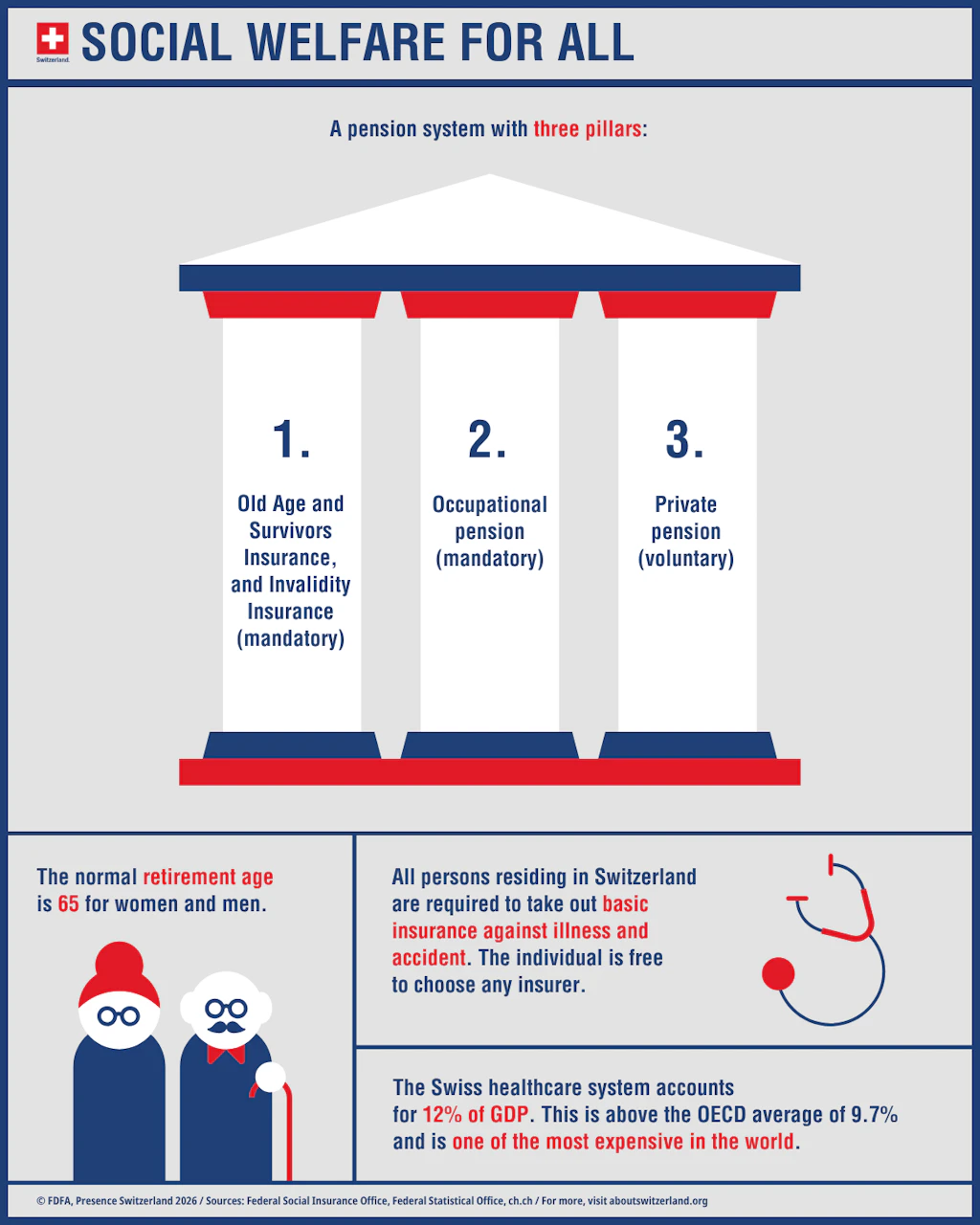
- In 2023, the average monthly premium for compulsory health insurance (including accident cover) was CHF 393 per person.
- Premiums for compulsory health insurance vary greatly from canton to canton. For example, a health insurance policy providing the same level of cover costs 1.8 times as much in Basel-Stadt as in Appenzell-Innerrhoden.
- The Swiss population has access to over 17,000 GP surgeries and outpatient clinics, with the average person living just one kilometre from the nearest medical service provider.
Links
Discover more

Workforce productivity, BFS
Switzerland's GDP per capita is exceptionally high and its residents' purchasing power is well above the EU average.
Labour market
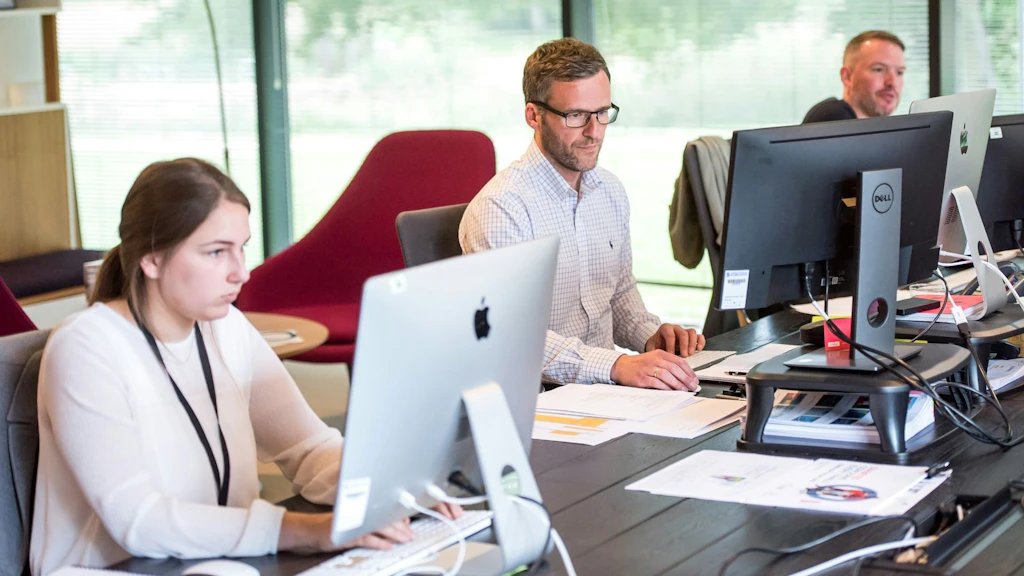
In Switzerland, women make up almost half of the 4.5 million-strong workforce. Switzerland also has one of the lowest unemployment rates in Europe.
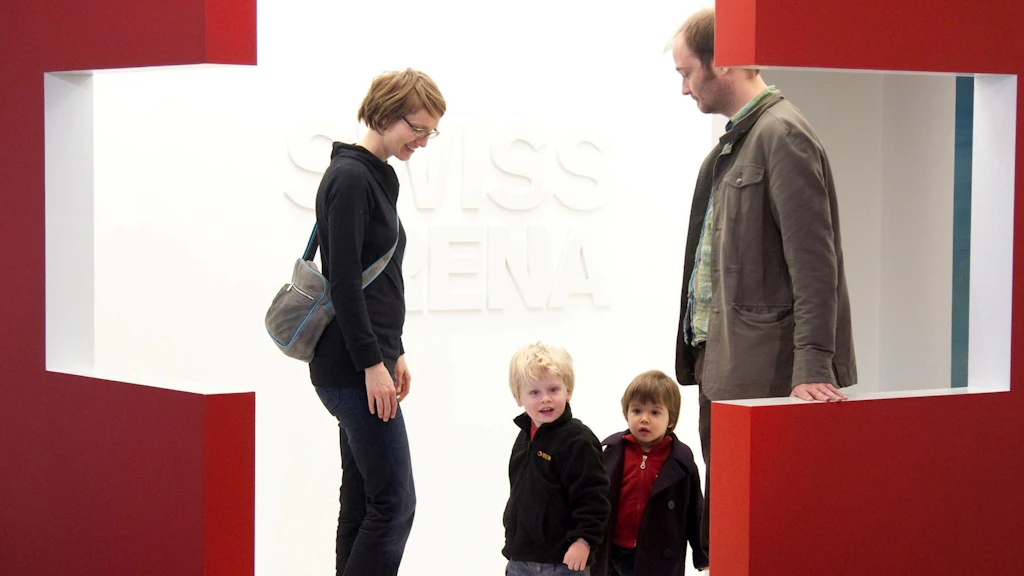
Household income and expenditure
Prices in Switzerland are higher than in other European countries. Nevertheless, the average household is able to save more than 15% of its income.
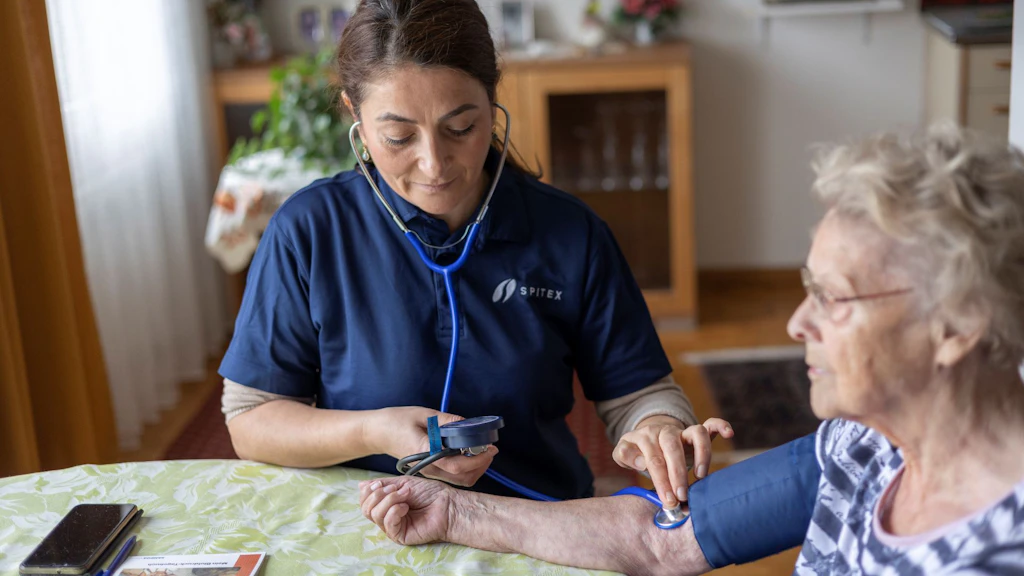
Social security
Switzerland has a comprehensive social security system comprising health and accident insurance, loss of earnings compensation, family allowances and pensions.
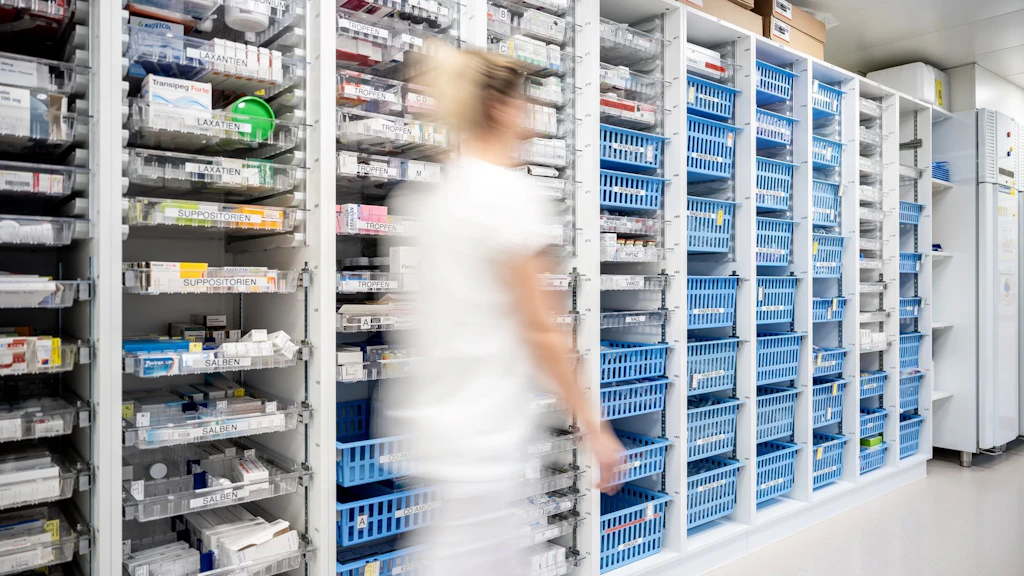
Health care system
The Swiss healthcare system is federal in nature. The high-quality healthcare system, with its dense network of medical practices and hospitals, is cost-intensive.