
Switzerland and the World
Switzerland takes a proactive approach in its foreign policy, working to bolster its relations with neighbouring countries and the EU, strengthen its global partnerships, and advance its mediation efforts for peace and security as well as its commitment to sustainable development and prosperity. In its capacity as a neutral country, Switzerland has turned Geneva into a global hub for international organisations.

Switzerland's relations with the EU, particularly its neighbouring countries, plays a key role in Swiss foreign policy. Within this framework, Switzerland works at multilateral level to increase stability in Europe and throughout the world and to build on its strategic partnerships.
One of the pillars of Swiss foreign policy is neutrality. This means Switzerland may not take part in armed conflicts. In its capacity as a neutral country, Switzerland can mediate between conflicting parties and act as a host state. It also undertakes protecting power mandates for third countries that have broken off diplomatic relations.
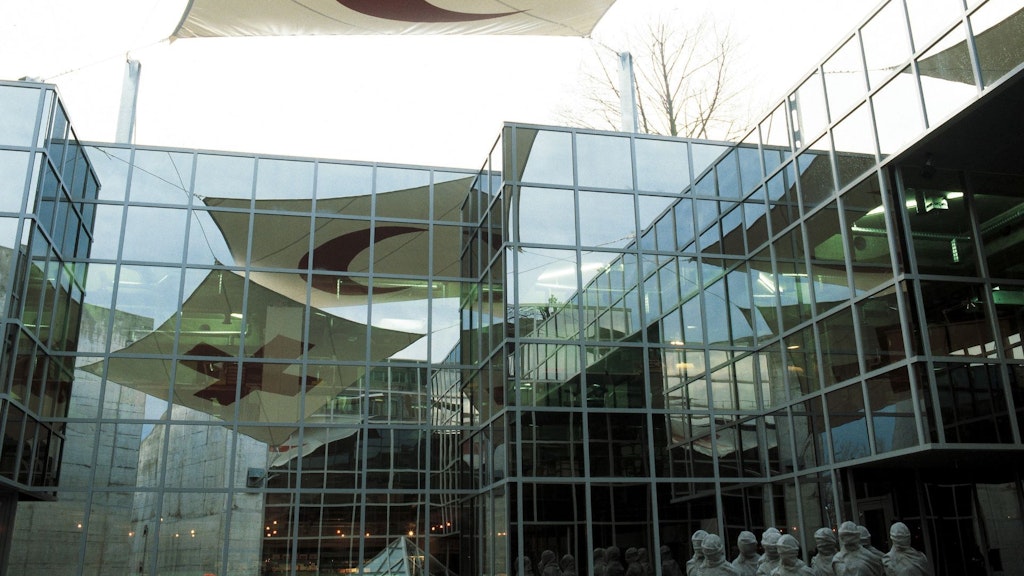
Coupled with Switzerland's neutrality and humanitarian tradition, the founding of the Red Cross in Geneva has established the city as a global hub for hundreds of international organisations and NGOs.
Switzerland is also strongly committed to sustainable development aid and provides emergency relief during humanitarian disasters.
Facts and figures about Switzerland and the world
- Switzerland has over 160 foreign representations (embassies, consulates, cooperation offices and missions), and some 200 honorary consulates.
- Switzerland joined the UN in 2002.
- Relations between Switzerland and the EU are founded on bilateral sectoral agreements: Bilateral Agreements I (1999) and Bilateral Agreements II (2004).
- In 2023 Switzerland allocated 0.6% of its GDP to development aid, approximately CHF 4.6 billion, making it one of the OECD DAC’s top ten.
- The Swiss Humanitarian Aid Unit (SHA) is a pool of 550 stand-by specialists who can be quickly deployed for emergency aid in response to a conflict or natural disaster.
- Since 1953 a handful of observers from Switzerland and Sweden have been stationed at the demarcation line between South and North Korea. Their job is to monitor compliance with the ceasefire agreed between the two countries over 60 years ago.
- Since the Second World War, Switzerland has represented the diplomatic interests of 35 countries as part of protecting power mandates, six of which remain in force today. The best-known is the representation of US interests in Iran, which dates back to the hostage crisis of 1979/1980. Switzerland still has a protecting power mandate for the US in Iran.
- For many years, it aided the talks on the Iranian nuclear programme. These negotiations came to an end with the signing of an agreement in 2015.
- Geneva is home to around 750 non-governmental organisations (NGOs), 40 international organisations, 180 representations of foreign states and numerous other international cooperation organisations such as the International Committee of the Red Cross (ICRC).
Link
For more on this see
Foreign Policy
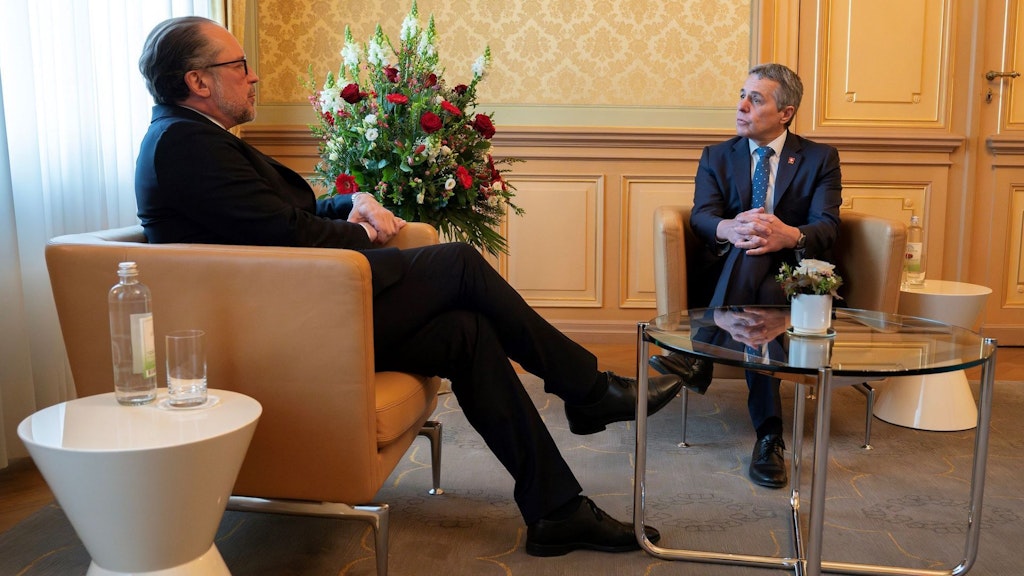
Switzerland’s foreign policy strategies follow a four-year cycle and focus on representing both Swiss interests as well as its values, from democracy and human rights to environmental protection.
Neutrality
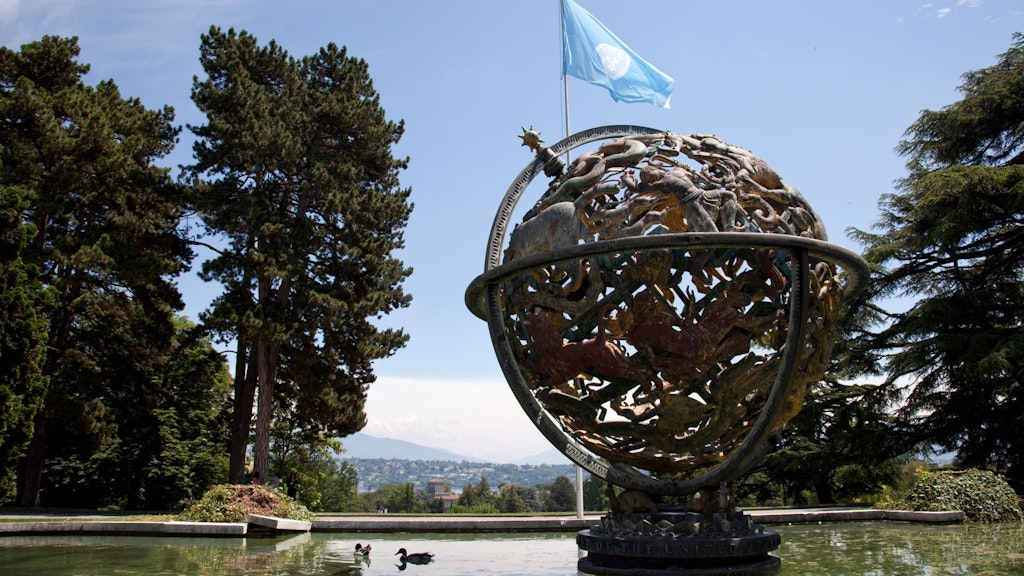
Switzerland’s neutrality dates back to the 16th century and is a key part of the country’s collective psyche.
Humanitarian Tradition
Switzerland’s neutrality dates back to the 16th century and is a key part of the country’s collective psyche.
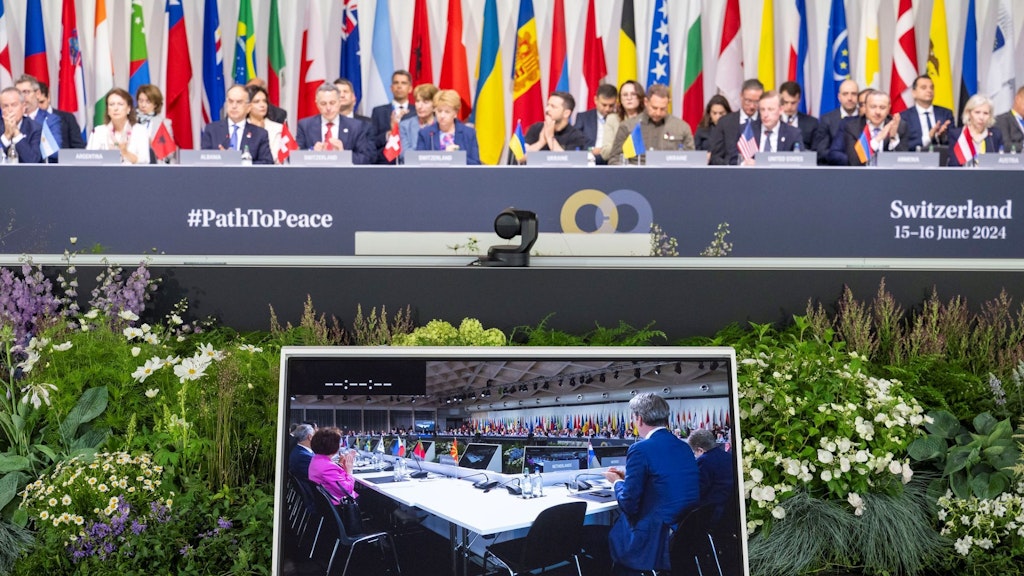
Switzerland's good offices
Thanks to its mediation and facilitation efforts, Switzerland has played a part in resolving many international conflicts. It also represents the interests of states whose diplomatic relations have broken down.
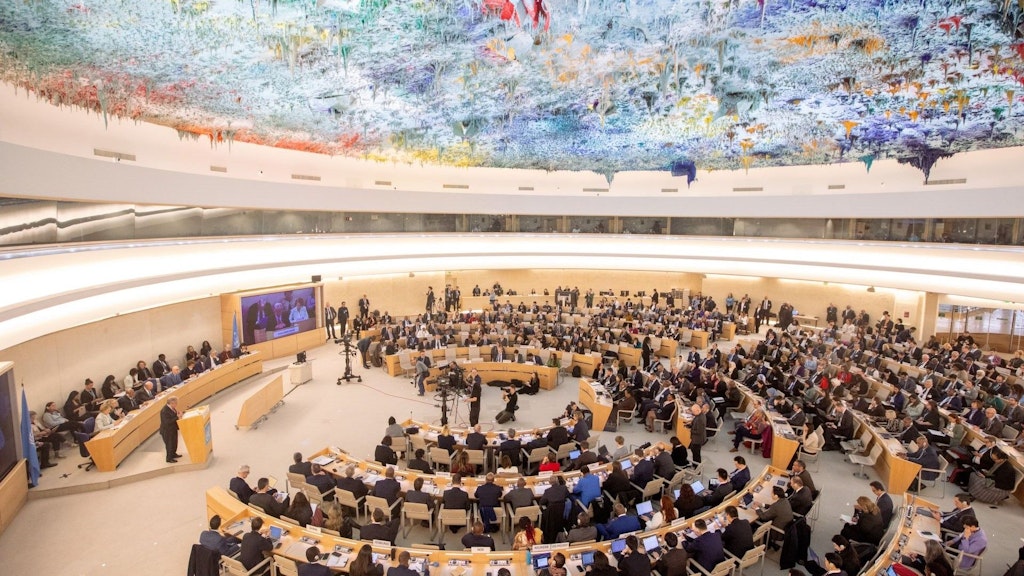
International Organisations
Geneva is home to a number of international and non-governmental organisations, as well as the European headquarters of the UN. Switzerland is also a member of the UN and a number of international organisations.