
Telecommunications
The Swiss enjoy state-of-the art telecommunications. Switzerland has cutting-edge TV and radio, mobile and landline telephony and internet infrastructure. It is thus seen as an attractive location for companies active in telecommunications and information technology (IT). Swisscom, which has a long history as Switzerland's leading telecommunications and IT company, is still the dominant actor in the sector.
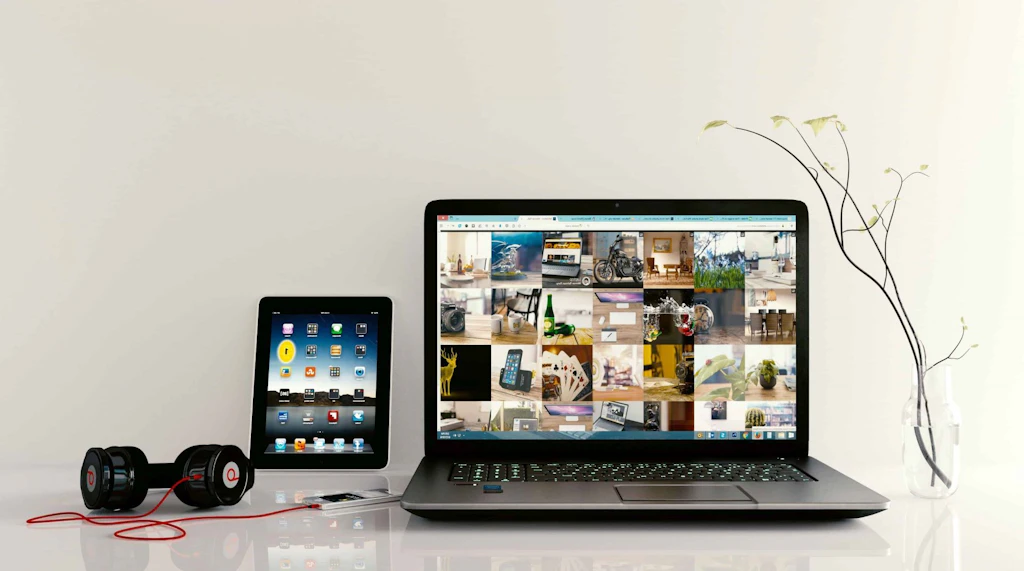
Telecommunications in Switzerland across all channels use the latest technology. The legally regulated universal service for telecommunications services guarantees that all households in Switzerland have access to telephony and the internet. Swisscom is the market leader in the Swiss telecommunications market, followed by Sunrise and Salt.
Much has changed since the first national transmissions were broadcast on medium wave radio at the beginning of the 1930s and the difficulties surrounding signal distribution when television was introduced in the 1950s: today, radio and television are almost exclusively received via the internet, the cable network or satellite – and radio is received via DAB+.
Progress in the mobile phone sector is advancing even more quickly. Switzerland was in the vanguard when mobile telephony was introduced in 1978 and is now a world leader in network coverage, signal quality and technology integration. As one of the pioneers of the 5G mobile communications standard, the Swiss network now provides almost 100% coverage nationwide and is one of the most high-performing globally. Landline telephony is also being successively further developed and is now based on the IP system.
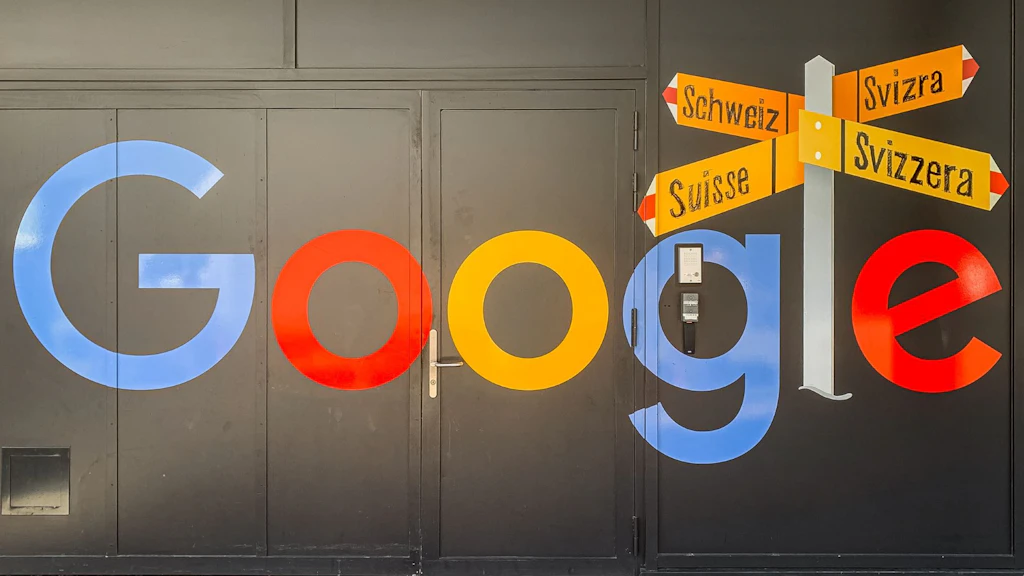
Thanks to nationwide network access for every household and a high level of coverage with NGA technologies, Switzerland has an excellent IT infrastructure. But it is also characterised by a high level of expertise in the digital field, with cybersecurity key in this regard. IT companies such as Google, Microsoft, Amazon Web Services, Oracle and many more have their European headquarters or large research centres in Switzerland. The construction of new high-performance data centres is currently booming, which goes hand in hand with the increased use of data-intensive AI and data storage in clouds.
The Swiss population is very well equipped with the latest generation of communication devices such as smartphones, laptops, smart TVs and much more, and makes intensive use of mobile connections. Switzerland is one of the countries with the highest proportion of daily internet use. The importance of social media is particularly high, especially platforms such as YouTube, Instagram and LinkedIn.
Digitalisation is not left to chance in Switzerland. The Federal Council has been committed to the country's digital transformation since 2018 and defines corresponding guidelines every year with the Digital Switzerland Strategy. These guidelines are binding for the Federal Administration, while they serve as a guide for other stakeholders in the cantons and communes, and in the business and scientific communities and in civil society.
Facts and figures on telecommunications in Switzerland
- Thanks to two parallel networks, that of Swisscom and that of the cable network operators, Switzerland has an excellent landline network infrastructure. Even rural areas are 96% covered by NGA technologies – the EU average is 68%.
- In Switzerland, 47% of the population subscribe to a high-performance broadband internet connection. In comparison with other OECD countries, Switzerland thus holds a leading position, with the average around 36%.
- Zurich is one of the world's leading tech hubs, particularly in the areas of fintech and AI.
- In the ‘World Digital Competitiveness Ranking’ of the International Institute for Management Development, Switzerland ranked first in 2025.
- The internet is used daily or almost daily by 92% of the population. Around three quarters of users surf for five hours or more per week. Almost everyone accesses the internet from their smartphone, followed by their laptop.
- 97% of the population own a mobile phone in the form of a smartphone, 77% own a laptop or computer, and around half own a smart TV and/or a tablet.
- The number of mobile phone subscriptions is now three times higher than that of the landline network and, at 129 contracts per 100 inhabitants, exceeds the total population.
- Today, around 87% of all telephone calls are made via the mobile network.
- There are almost 40 mobile phone providers to choose from in Switzerland. They all use the infrastructure of the three network operators: in 2024, Swisscom held a 54% share of Switzerland's mobile phone market, followed by Sunrise (27%) and Salt (18%).
- There are over 300 national and local cable network operators supplying digital TV, internet and voice telephony services.
- Around 90% of Swiss households have at least one television, which is used for an average of two hours a day. On-demand TV is becoming more and more popular, with smart TVs now replacing laptops and PCs for access to streaming services.
- Radio is listened to by 88% of the population, for an average of 60–80 minutes per day, slightly more than half of whom listen to SRG-SSR programmes.
Links
For more on this see
TV and radio
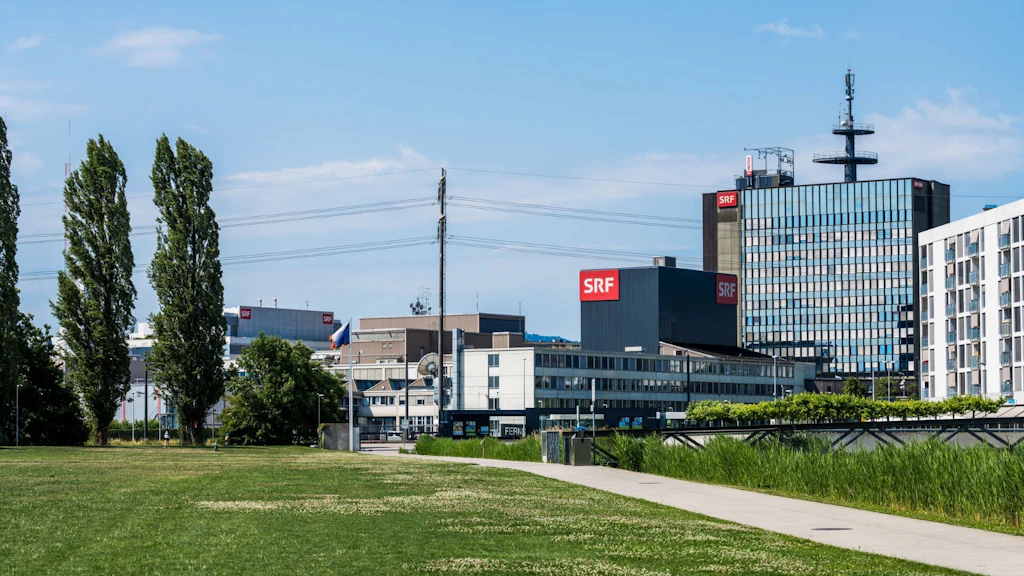
Television is still the most popular source of information and entertainment, and radio for music. The entire population watches TV and listens to the radio on a daily basis.
Landline and mobile telephony
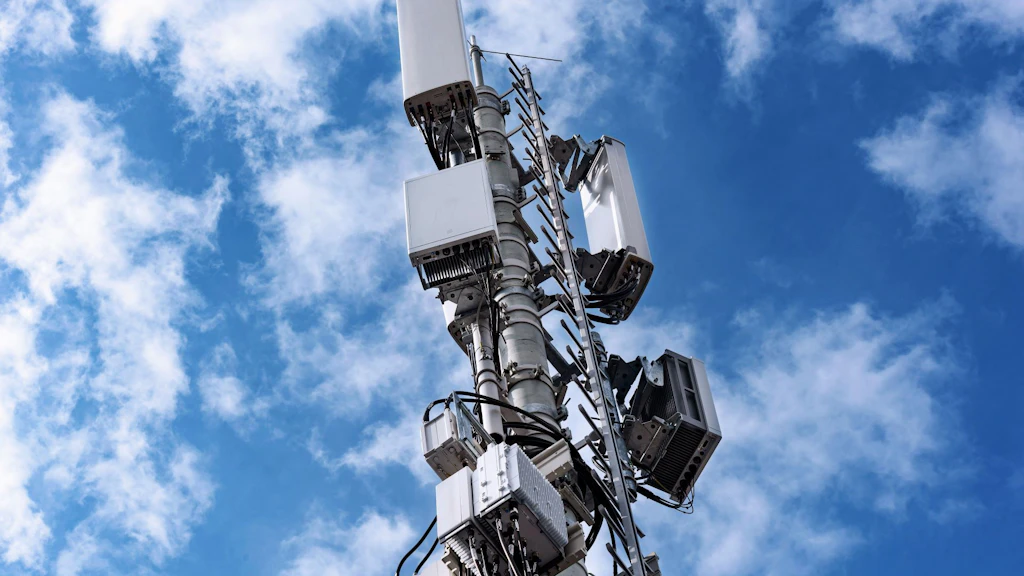
Switzerland has one of the highest levels of mobile phone use in the world thanks to widespread internet uptake and a high-quality mobile phone network.
Internet
Google operates its largest site outside the United States in Zurich – and not without reason. The internet in Switzerland and how it is used.