
Autumn festivals and customs
Most of Switzerland's autumn festivals are related to harvesting activities and grape harvests. The plethora of parades, markets, dancing events and show booths all over Switzerland can get anyone into a party mood.
Winegrowers' festivals in all wine-making regions
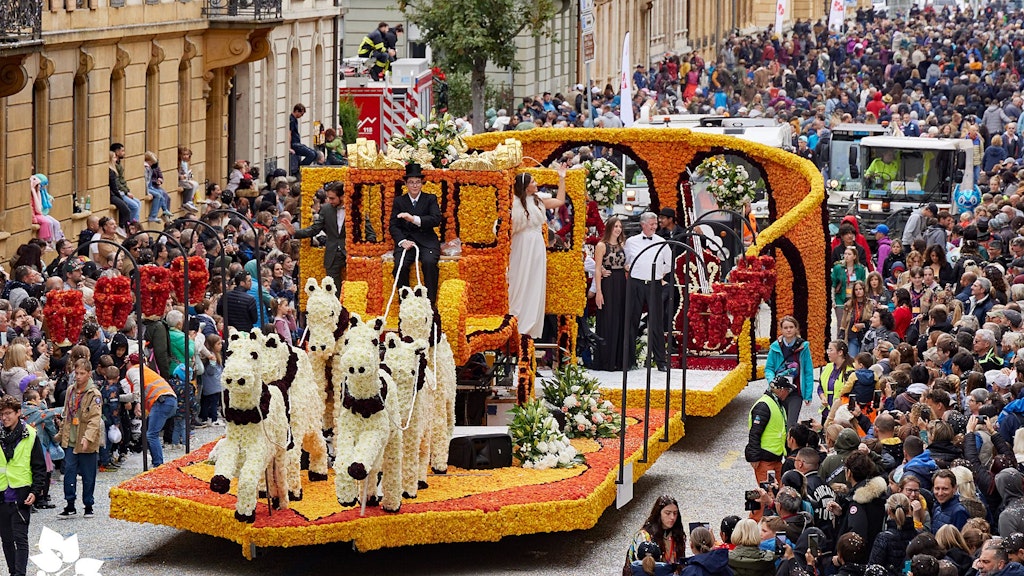
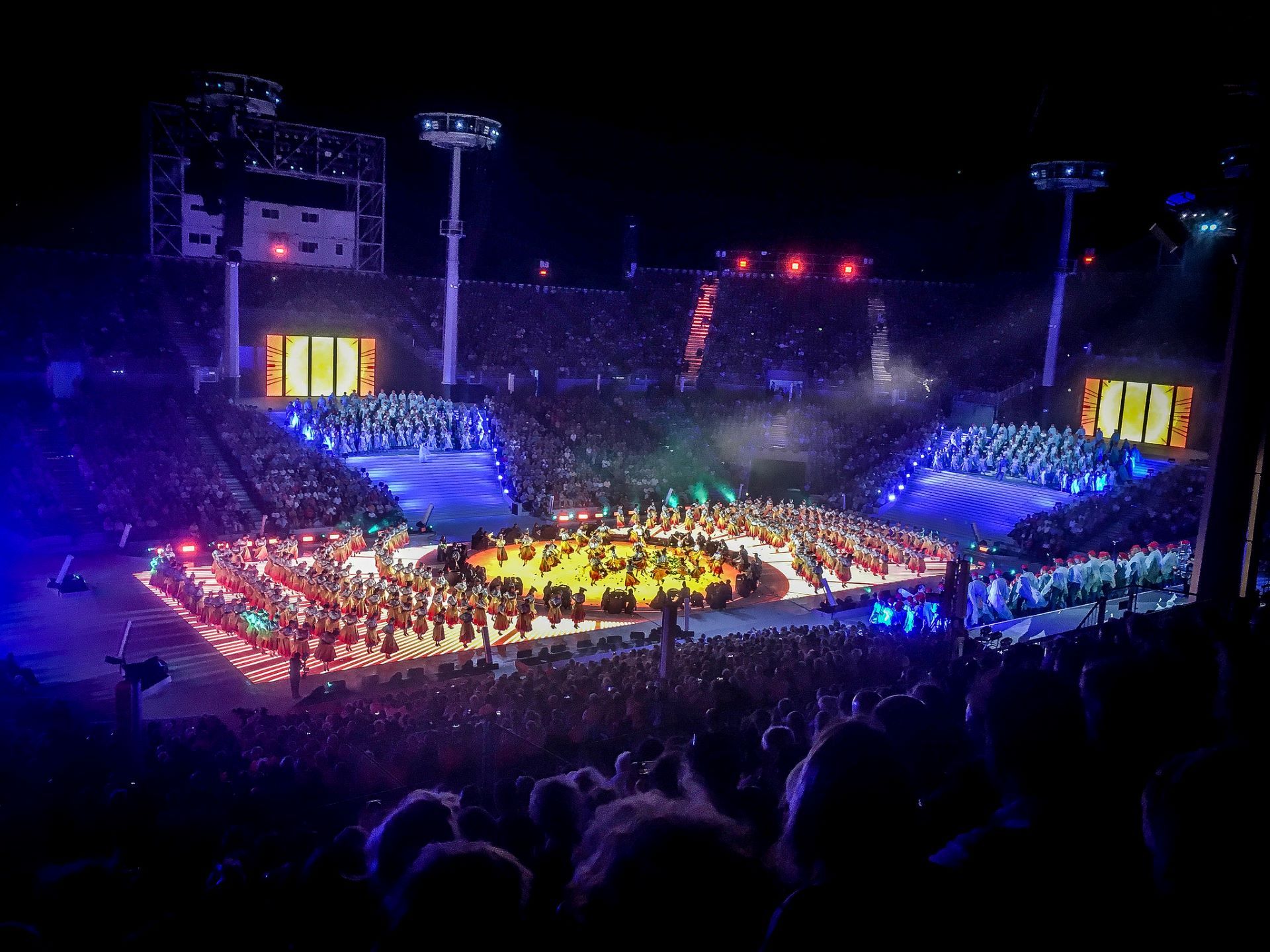
Grape harvests also herald in celebratory wine festivals in all of Switzerland's wine-making regions. The most significant of these festivals is the one in Neuchâtel, where traffic is banished from the city centre for three days of celebrations at the end of September. Vevey puts on its Winegrowers' Festival every 25 years. Hundreds of performers and animals parade through the town. The most recent edition of the Festival was in 2019, three years after the event was recognised by UNESCO as part of humanity's intangible cultural heritage.
Grape harvest is also celebrated extensively in German-speaking Switzerland. The winegrowers' festival in Döttingen, in the canton of Aargau, is among the largest in the country. Further south, in Ticino, autumn celebrations such as PerBacco! in Bellinzona or the Festa d’Autunno in Lugano bring together local wines, music, markets and traditional castagnate, convivial gatherings where roasted chestnuts are shared in the streets, offering a warm and lively expression of the region’s harvest season.
Autumn Fairs and Markets
Beyond rural festivities, autumn also brings major fairs that blend tradition, gastronomy and entertainment. The Basler Herbstmesse (Basel Autumn Fair), first held in 1471, is Switzerland’s oldest and largest fair, spreading across several squares in the historic city centre and drawing more than a million visitors each year. Visitors enjoy a unique mix of traditional crafts, local delicacies and amusement rides. Further south, the Foire du Valais in Martigny celebrates Valaisan culture through regional wines, cheeses and livestock shows, combining tradition with a festive community spirit.
The “Désalpe” or “Alpabzug”
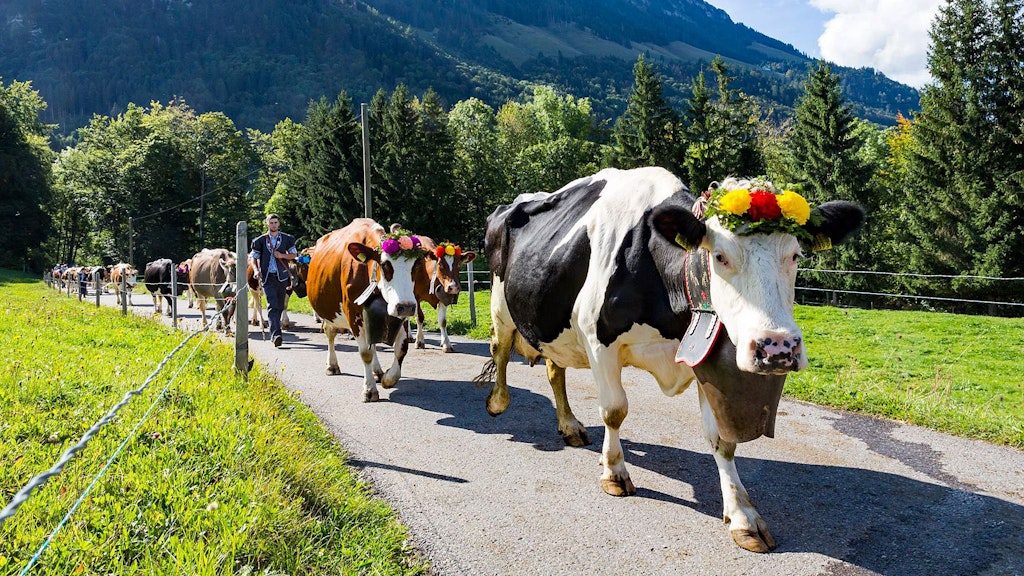
Every autumn, one of Switzerland’s most picturesque traditions takes place across the Alpine regions: the Désalpe (in French) or Alpabzug (in German). It marks the return of the cattle from their summer pastures in the mountains to the valleys below. Farmers decorate their cows with flower crowns and large bells, and entire villages gather to celebrate with music, markets and local specialties. Popular Désalpe festivals are held in Charmey, St. Cergue and Urnäsch, each offering a unique glimpse into Switzerland’s living alpine heritage.
The ‹Bénichon› in the canton of Fribourg
The Bénichon celebration, celebrated throughout the canton of Fribourg, features sumptuous meals, dancing, parades and music. This street festival is held in the lowlands on the second Sunday of September and in the mountainous regions on the second Sunday in October.
Älplerchilbi carnivals and Sennenchilbi herdsman's festivals in Central Switzerland
Central Switzerland and especially the half cantons of Obwalden and Nidwalden are well-known for their harvest-time festivals. These street festivals, known as Älplerchilbi and Sennenchilbi, take place on the third Sunday of October. The alpine dairy workers are the women and men – shepherds and cheese-makers – who spend the summer on the alp working with the cattle. They come together in the given village's square and spout off jokes for public amusement, also making fun of local celebrities and politicians.
Bern's Zibelemärit onion market
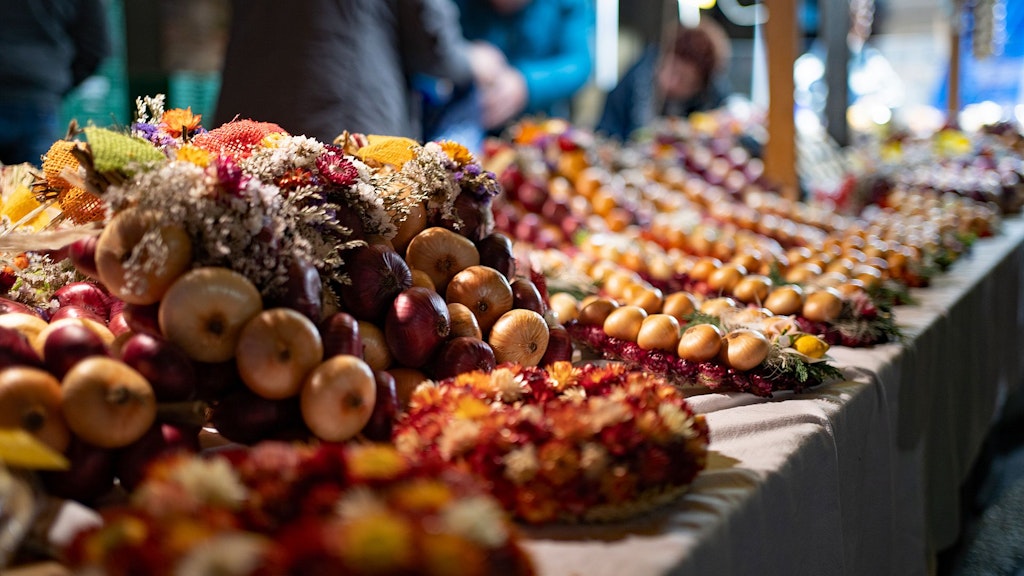
On the fourth Monday of November, Bern's vast traditional onion market – referred to as the ‹Zibelemärit› in the Bernese dialect – takes over the town, which is colourfully decorated to serve as a charming backdrop for the market stands selling onions, winter vegetables, ceramic tableware, ‹magenbrot› bread, and souvenirs.
The Unspunnen festival in Interlaken
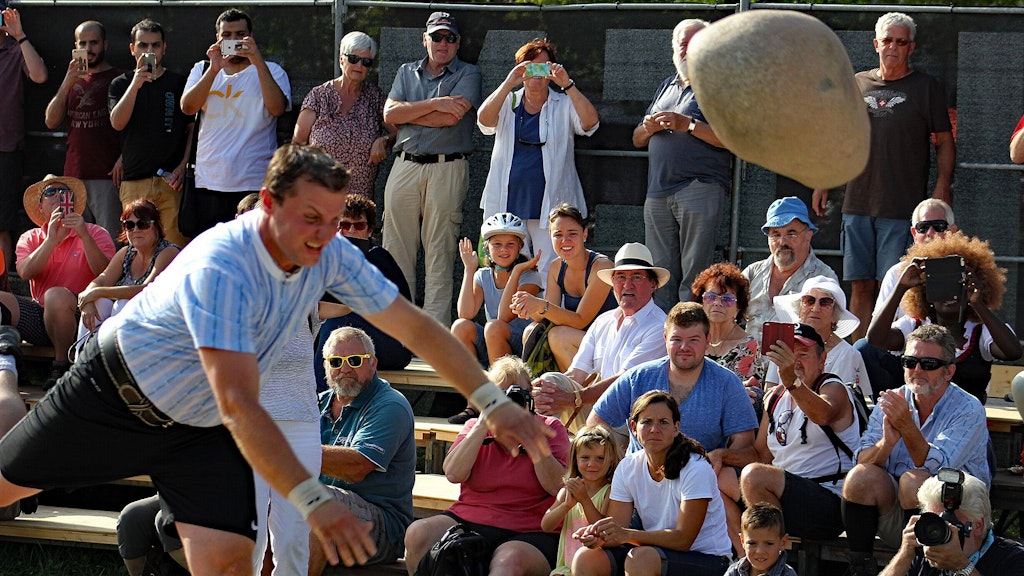
The Unspunnen festival is a traditional costume and alpine festival and takes place approximately every 12 years in Interlaken. It focuses on folk customs such as Swiss wrestling (schwingen), yodelling, and the throwing of the 83.5-kilogramme Unspunnenstein stone. The festival was held for the first time in 1805 and the next one is planned for 2029.