
Passenger transport
As a crossroads in the heart of Europe, Switzerland has a transport network that makes it easy to travel in all directions, both domestically and internationally. The most popular means of transport is the car, followed by rail and public transport. Many people also enjoy travelling by bike or on foot.
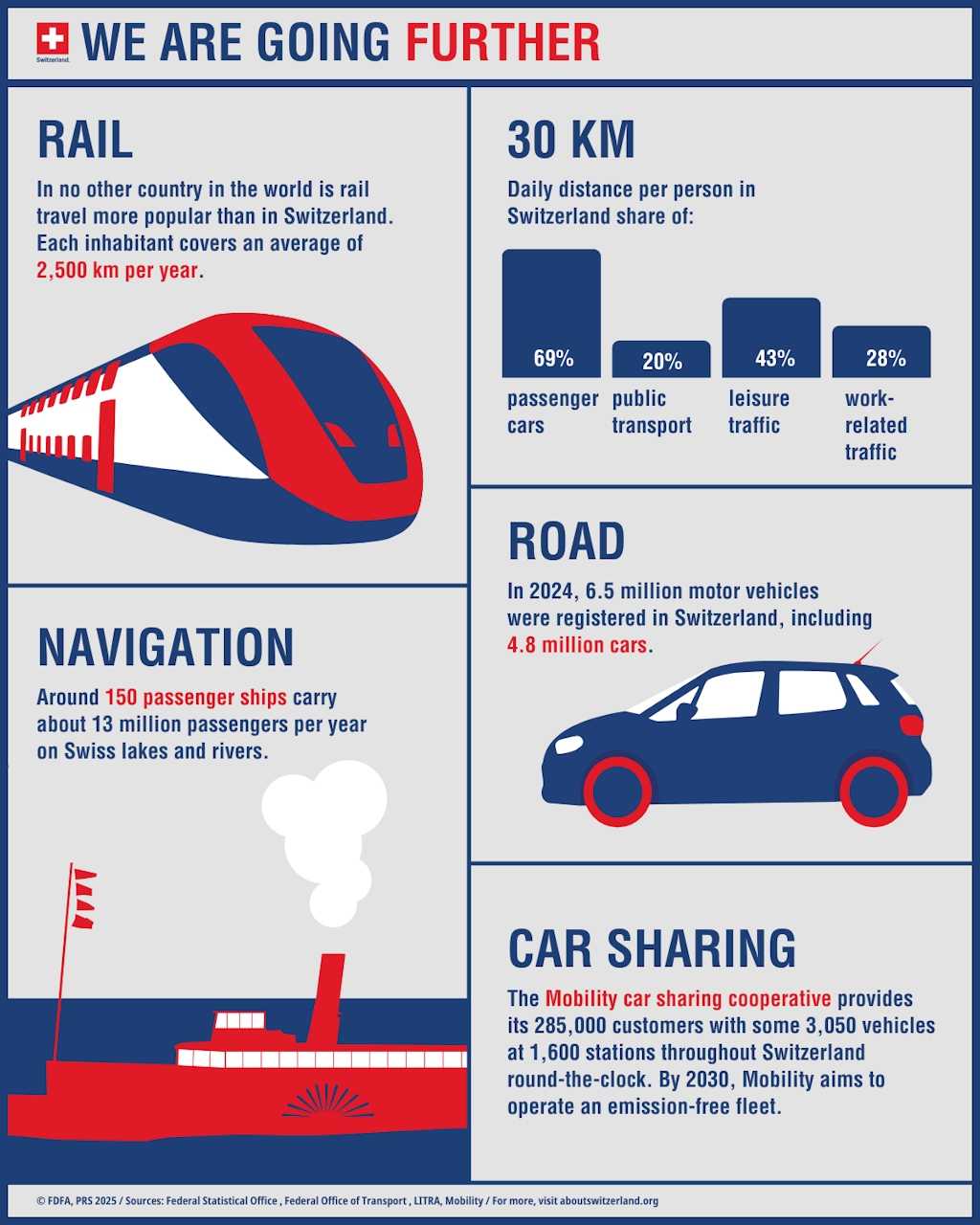
The Swiss population is highly mobile, with three quarters of trips annually made within Switzerland: people spend around one and a half hours a day travelling, mostly for leisure purposes, followed by commuting to work. For the 30km that Swiss people travel every day, a good two thirds use a car. Mobility varies considerably between demographics: whereas young adults are especially mobile, it decreases with age. Where people live also influences mobility, with those living in rural areas travelling greater distances. In addition, people with a high household income are more mobile than average.
Mode of transport
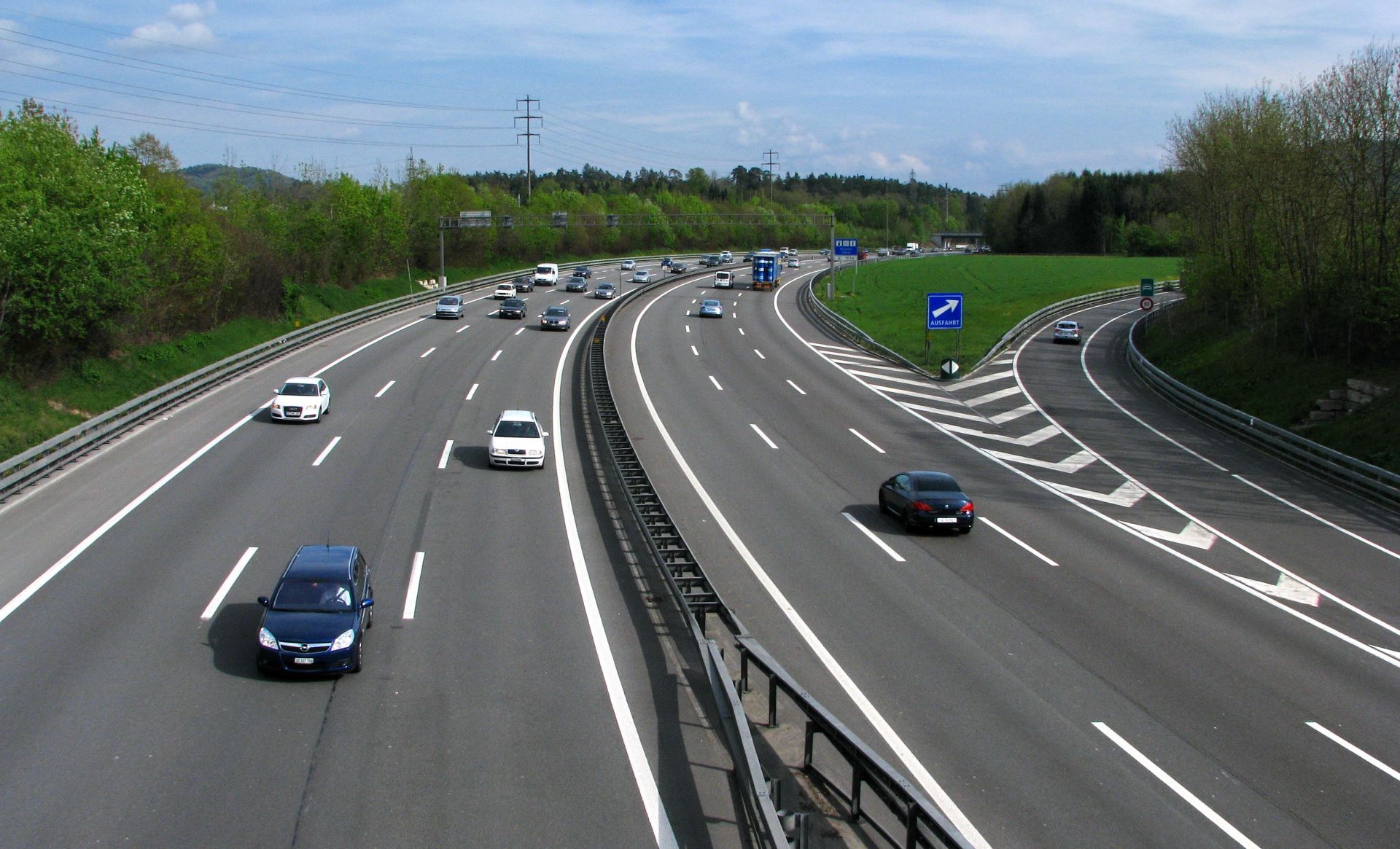
The car plays a major role in the mobility of the population: the low car density compared to other European countries and the well-developed transport network, coupled with the greater flexibility and comfort of the car, make it the most popular mode of transport in Switzerland. Carsharing is becoming increasingly popular in urban areas. Providers include the Mobility Cooperative.
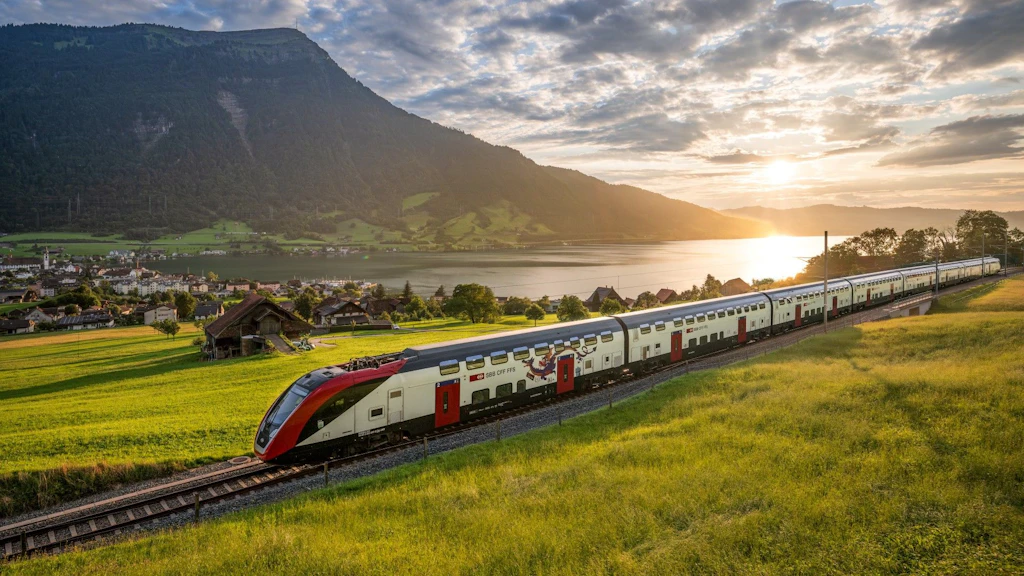
Public transport is also popular with the Swiss population: it is characterised by one of the densest railway networks in the world and a well-integrated public transport system of long-distance trains, regional trains, postbuses, buses and trams. High frequency, punctuality and short waiting times when changing trains further add to the appeal of public transport. In addition, a single ticket is sufficient for the use of several modes of transport: this is possible thanks to the standardised fare systems of the transport associations.
No other European country covers as many kilometres by rail as Switzerland. The Swiss prefer to use the train to travel between population centres. Many people combine modes of transport: for example, they cycle to the station, then take the train to another location and then the bus to the office. Public transport is used intensively, particularly in cities, and plays an important role in commuting: eight out of ten working people in Switzerland travel to work. A third of them use public transport and have an average commute of 30 minutes.
Although air travel accounts for only a very small proportion of annual travel, the Swiss are considered frequent flyers by European standards, with an average of 2.5 flights per person per year. They mainly fly abroad for leisure, the most popular destinations being London, Barcelona, Amsterdam and Palma de Mallorca. Switzerland being a country of immigration, Porto and Pristina are also in demand, the most likely reason being for people to visit relatives in Portugal and Kosovo.
The bicycle plays an important role in everyday mobility, especially from spring to autumn, to go to school or work and for shopping. Initiatives such as ‘Bike to work’, the self-service bike hire scheme Publibike and over 11,000 kilometres of cycle paths are also contributing factors. Cycling is one of the most popular leisure activities in Switzerland. Cycling in Switzerland operates the official network of cycle leisure routes.
Especially in urban areas, in smaller communities or in villages, many people go shopping on foot or walk to public transport locations. Young children usually walk to school. Pedestrians are protected by wide pavements and generally have right of way on pedestrian crossings and at traffic lights. In more and more neighbourhoods, ‘play streets’ with a speed limit of 20km/h are being introduced and in many villages the speed limit is 30km/h.
Sustainability and future prospects
In terms of motorised transport, Switzerland is increasingly focusing on e-mobility via electric cars and buses. There are numerous programmes that promote the transition to more sustainable mobility, such as the Energy Strategy for Public Transport 2050.
Public transport is promoted through state subsidies for operators and attractive ticket offers for customers, such as the Swiss Travel Pass for tourists or the half-fare card and GA Travelcard for the local population.
Research by the Federal Office of Transport (FOT) highlights the following: urbanisation and the trend towards working from home are changing mobility patterns. Leisure journeys are increasing, while traditional journeys to work are decreasing.
Transit
Switzerland lies between northern and southern Europe and plays a central role as a transit hub for European traffic. The most heavily used Alpine route is the Gotthard road tunnel: it is used by around 40% of people crossing Switzerland by car, which often leads to traffic jams during holiday periods. With the New Rail Link through the Alps (NRLA) and modern tunnels such as the Gotthard Base Tunnel, Switzerland is making rail more efficient and attractive for through traffic.
Links
Swiss Stories
How the railways brought Switzerland together
Four language regions, one timetable, 94% punctuality – why Swiss public transport is about much more than getting from A to B.

A system on the move: how Swiss public transport is revolutionising sustainable mobility
Taking public transport in Switzerland means travelling fast while caring for the planet – thanks to renewable power, innovations and a national sustainability programme.

PostBus: a Swiss icon
The yellow Swiss PostBus, with its three-tone horn and alpine routes, is a national icon connecting villages and mountains for over a century.

A nation of railway enthusiasts: a history of the Swiss railways
From lagging behind to rail powerhouse: Switzerland built one of the world’s densest rail networks through engineering feats and rapid development.

The story of Switzerland's regular-interval timetable
The regular-interval timetable introduced in 1982 continues to shape public transport in Switzerland to this day.
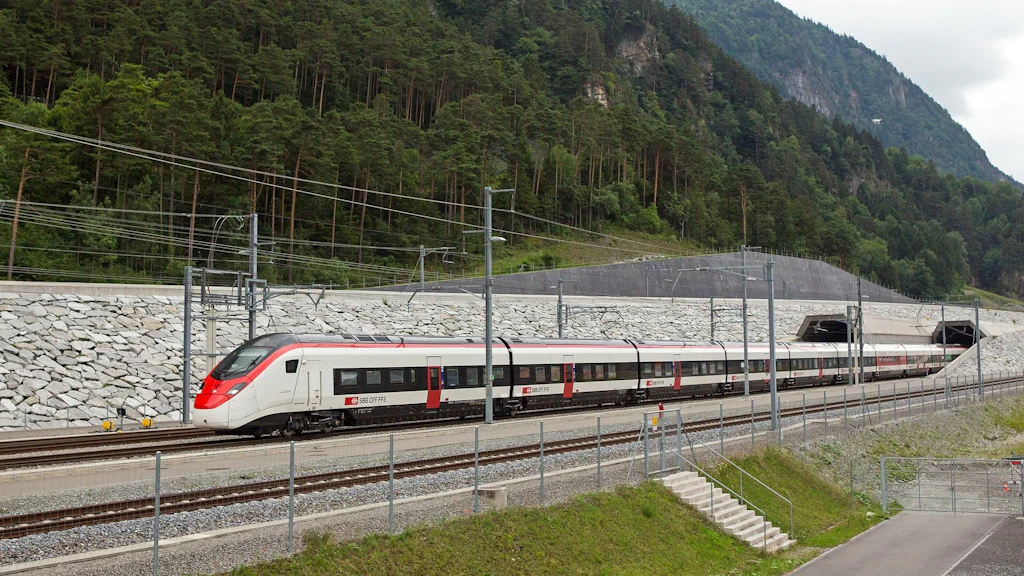
The New Rail Link through the Alps (NRLA) serving Europe
This enormous undertaking comprises three rail tunnels, including the Gotthard Base Tunnel – at 57.1 km, the world's longest railway tunnel.