
Swiss cuisine
Swiss cuisine draws from the culinary traditions of its neighbouring countries. These influences in combination with its own traditions make for a wide range of dishes around the country. Many once regional specialities can now be found throughout Switzerland. There are hundreds of types of cheese, meat products, bread and chocolate.
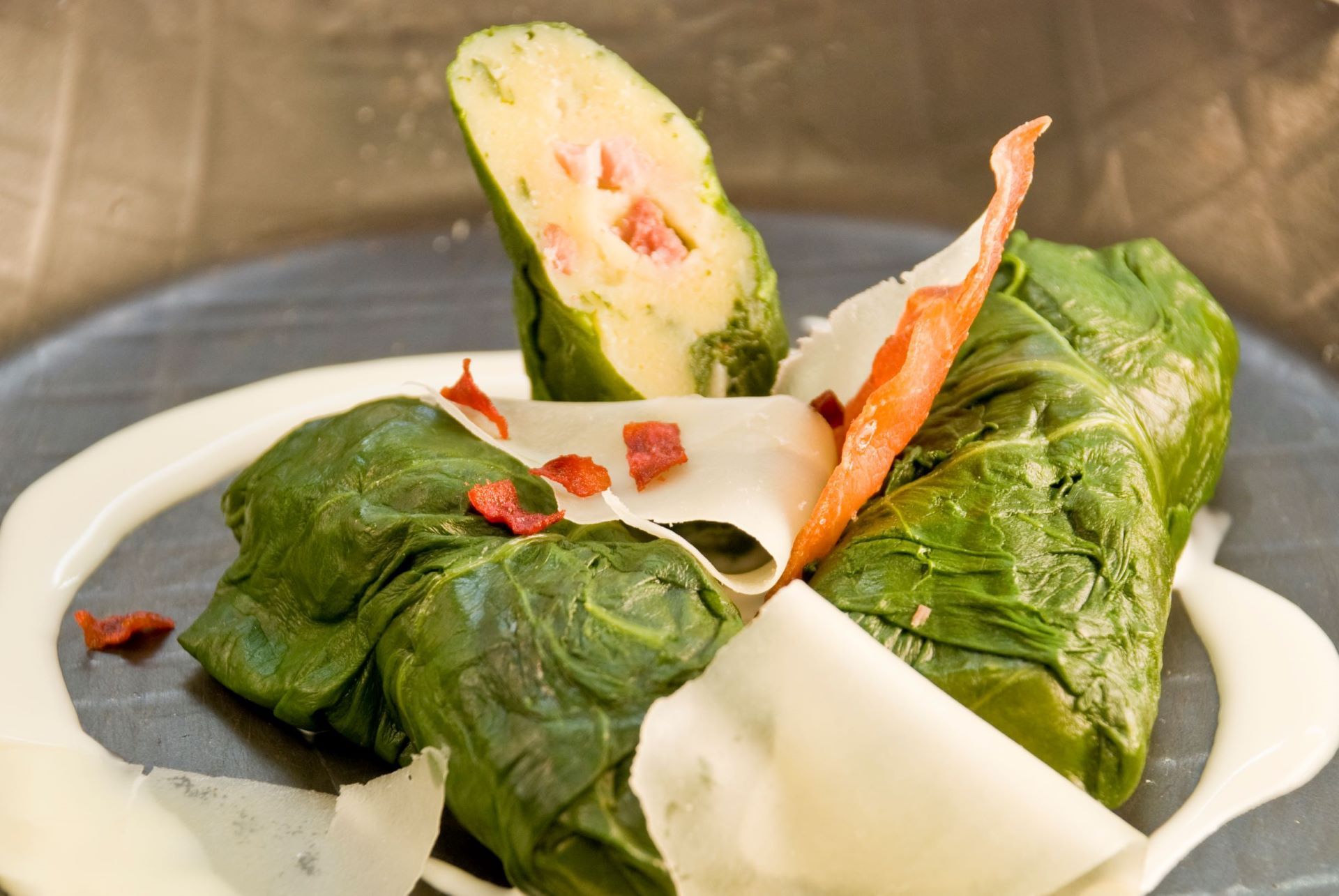
Culinary influences from Germany, France and northern Italy along with the varied farming traditions and climatic conditions have made Swiss cuisine what it is today. The different language regions also tend to form a background for the country's diversity in food culture and products.
The tradition of making bread, cheese, sausages and cold cuts, wine, cakes and chocolate in Switzerland goes back centuries. Many dishes which started out as regional specialities are now enjoyed all over the country, such as rösti, fondue and raclette, and some are also known internationally. Muesli – although seldom now associated with Switzerland – is one Swiss dish which has conquered the world.
Swiss cuisine – facts and figures
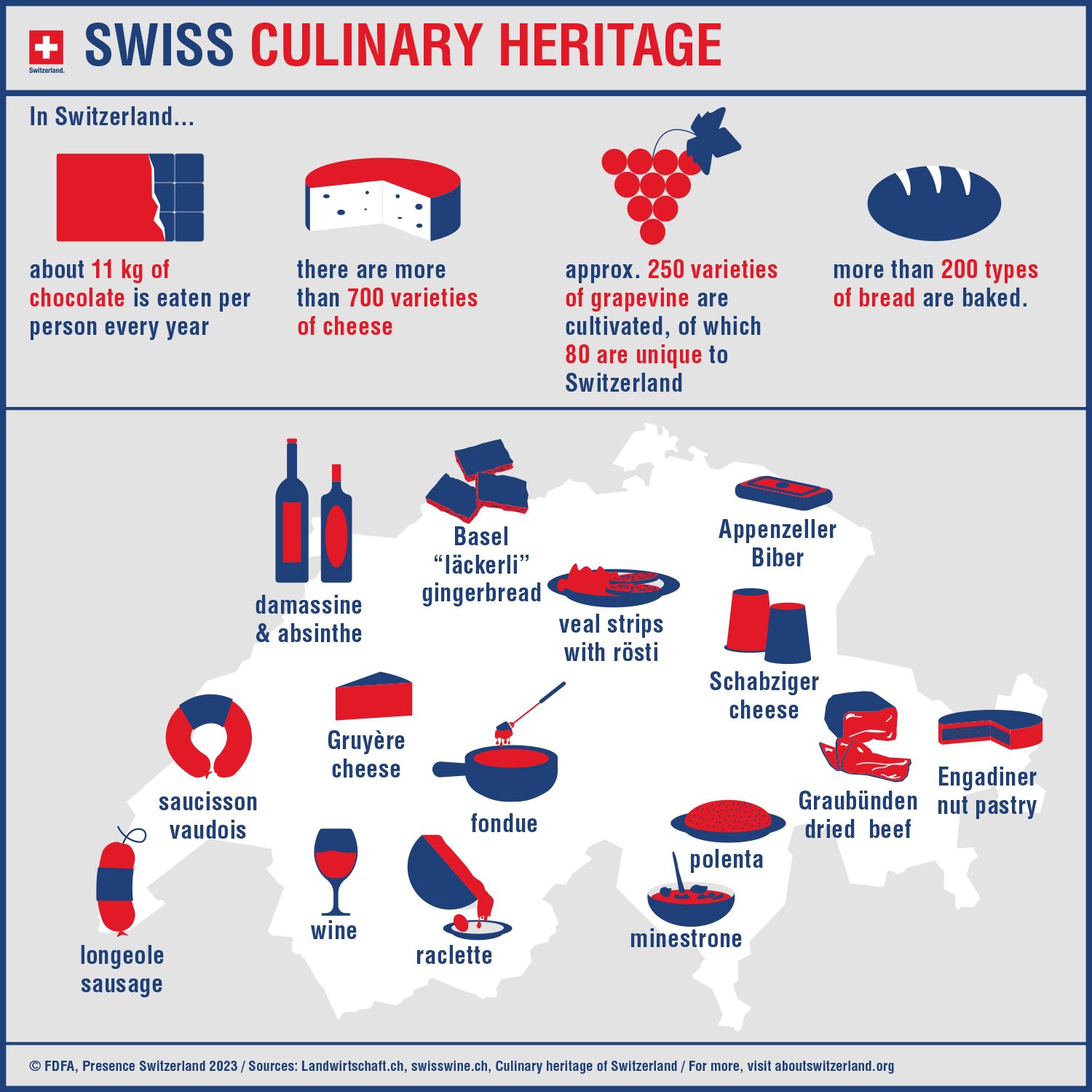
- There are 400 different Swiss products officially recognised as part of Switzerland's culinary heritage. The most famous include Gruyère cheese, longeole sausage and Basler Läckerli biscuits.
- No country in the world consumes as much chocolate as Switzerland – over 11kg per person each year.
- The Swiss also eat a lot of cheese – 23kg per person each year – and have over 700 types to choose from.
- There is a wide selection of bread, with more than 200 different types. Wholemeal bread is more popular in the German-speaking part of the country, while the French and Italian-speaking regions tend to prefer white bread. The traditional Swiss ‹Sunday bread› is a buttery braided loaf.
- There is also a huge assortment of sausages, cold cuts and dried meat specialities, which vary from region to region. In French-speaking Switzerland, for example, you'll find Geneva's longeole sausage, the saucisson vaudois and Jura's boudin à la crème (blood sausage). Then there's the St Galler Bratwurst (veal sausage) in the east of the country, Bündnerfleisch air-dried beef in the south-east, and liver mortadella from Ticino in the south.
- Switzerland's national sausage is the cervelat, of which some 160 million are produced annually. It is traditionally grilled on a wooden skewer over an open fire, with a cross cut at both ends. You may even hear the Swiss talking about ‹cervelat celebrities›, a somewhat disparaging name they give local second-rate stars!
- Some 250 grape varieties are grown, of which around 40 are indigenous to Switzerland. The leading wine-making region is Valais, where over 50 different grape varieties are grown.
- Absinthe, otherwise known as the ‹green fairy›, is a wormwood schnapps distilled from various plants and originally produced as a medical elixir.
- Known today all over the world as a breakfast cereal, muesli was first created around 1900 by a Swiss doctor as an ‹apple diet food› and served in clinics as a nutritious evening meal.
There are certain food products found in practically every Swiss kitchen.
For example:
- Aromat powdered seasoning, invented by Knorr in 1952, is a staple on Swiss dining tables. The popular Maggi stock cubes have been around since 1908.
- Switzerland's favourite bread spreads are Cenovis, a product launched in 1931 and made from brewer's yeast, carrots and onions, and Le Parfait, which dates from 1942.
- Ovomaltine (known internationally as Ovaltine) was developed in 1865 as a powder made from barley malt, skimmed milk and cocoa, to be mixed with milk as a chocolate beverage.
- Rivella is a soft drink produced from milk whey and has been on the market since the 1950s.
- Ricola is a cough drop made from 13 different herbs and has been produced since 1940.
Link
Discover more
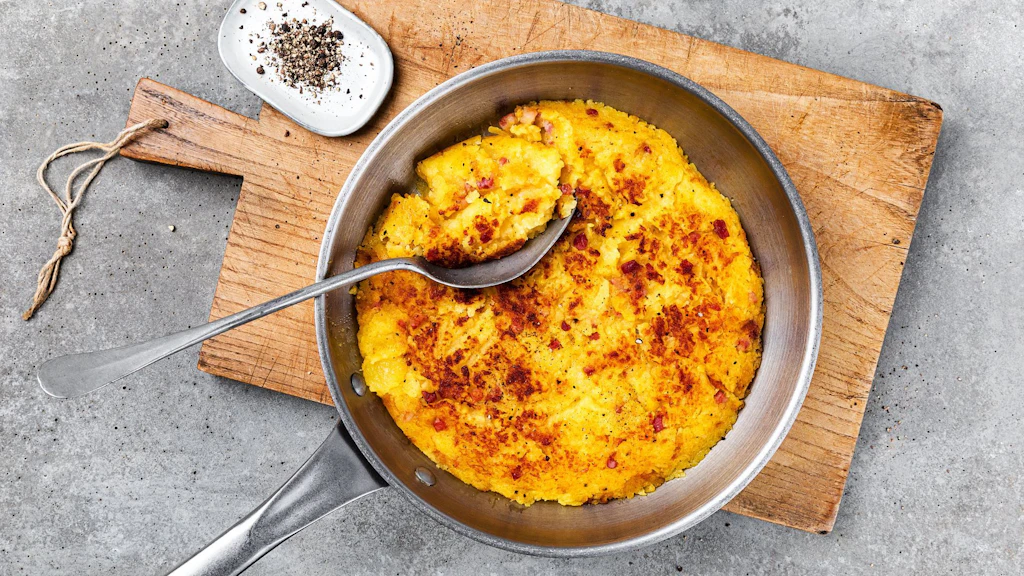
Switzerland's national dishes
Cheese and potatoes, apples and oats – some of the ingredients in Switzerland's most famous national dishes.
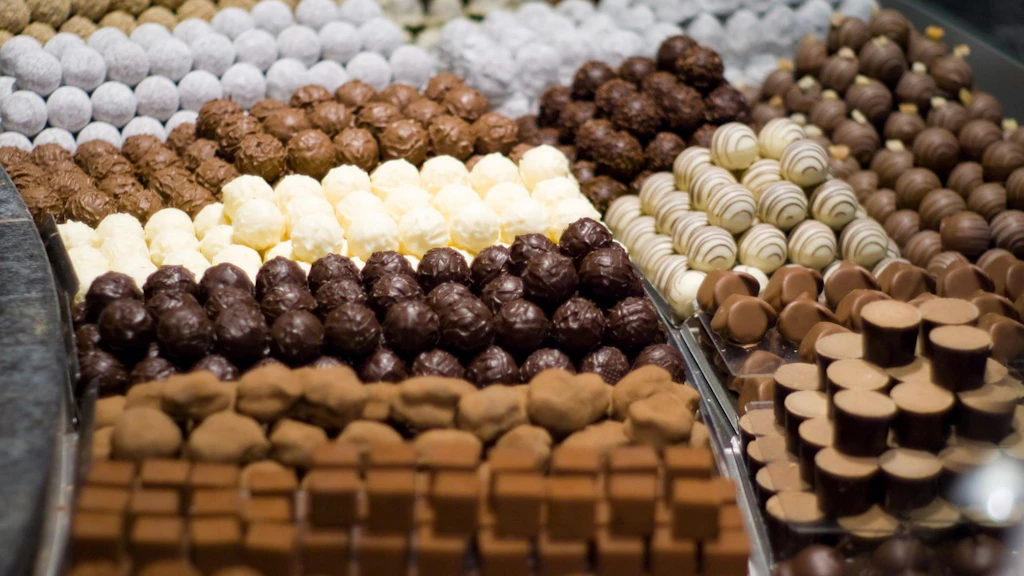
Chocolate
How Switzerland's 19th-century chocolatiers perfected their product, creating a worldwide reputation for Swiss chocolate.
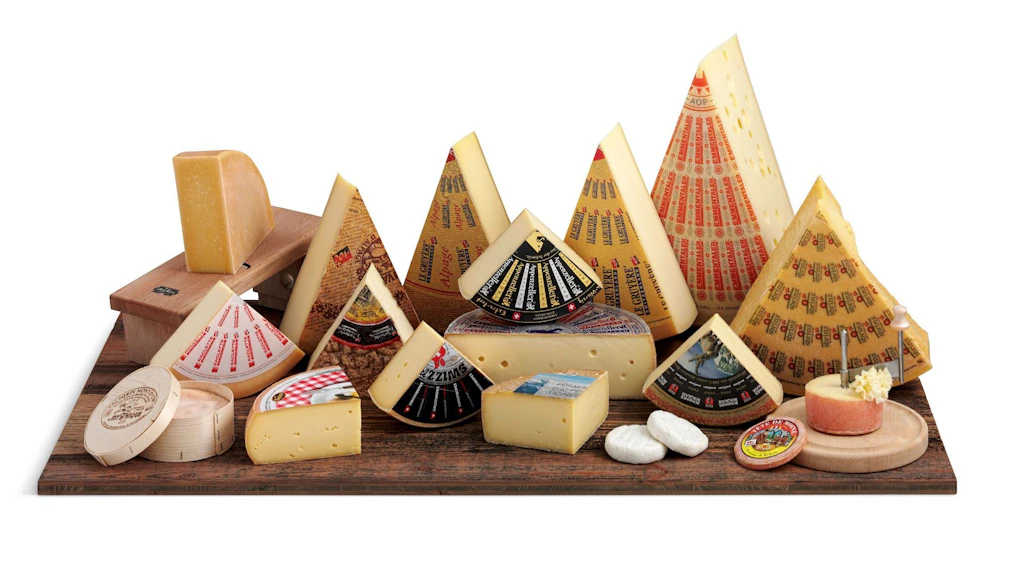
Cheese
Hard cheese, soft cheese, extra-hard cheese, cottage cheese, Alpine cheese, cheese rosettes, cheese spreads and slices – Swiss cheese is so much more than Emmental.
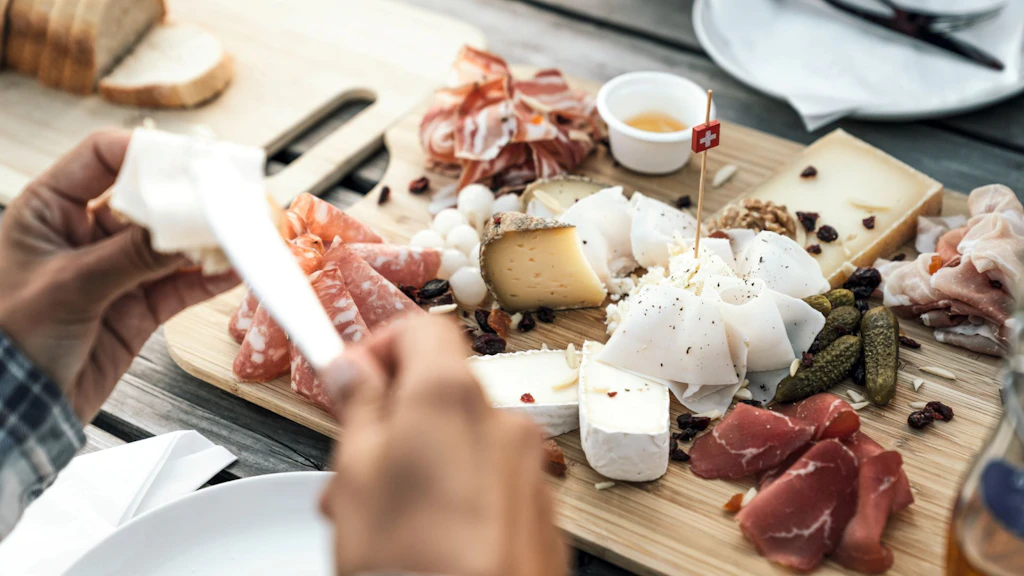
Regional specialities
Swiss cuisine has many regional specialities, influenced by the four language regions and the diversity of the Swiss landscape.