
Nature
Switzerland boasts an extraordinary variety of landscapes and habitats. From Alpine summits and moorlands through to the forests of the Jura region, the country benefits from an abundance of natural ecosystems situated close to its urban centres.
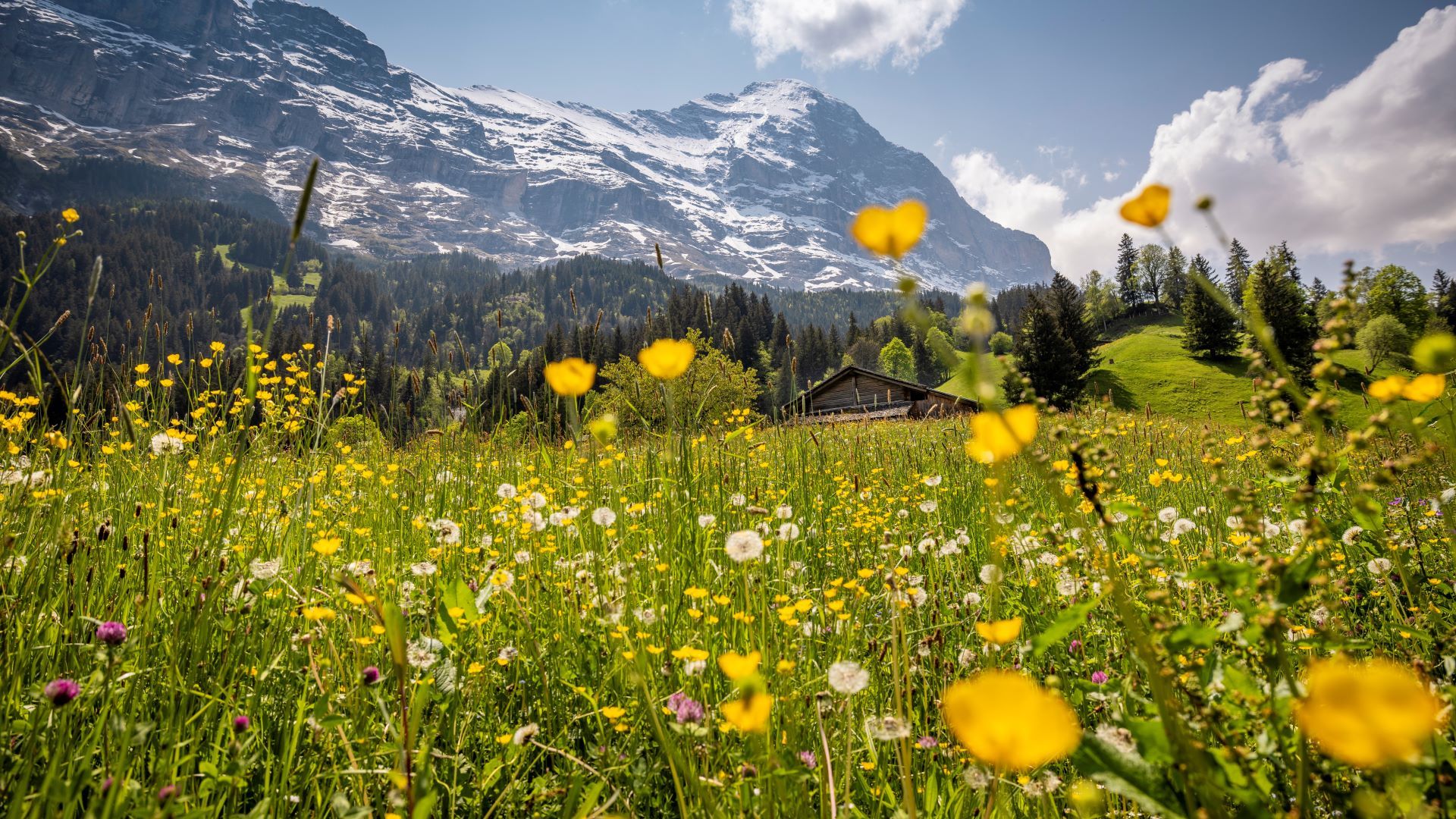
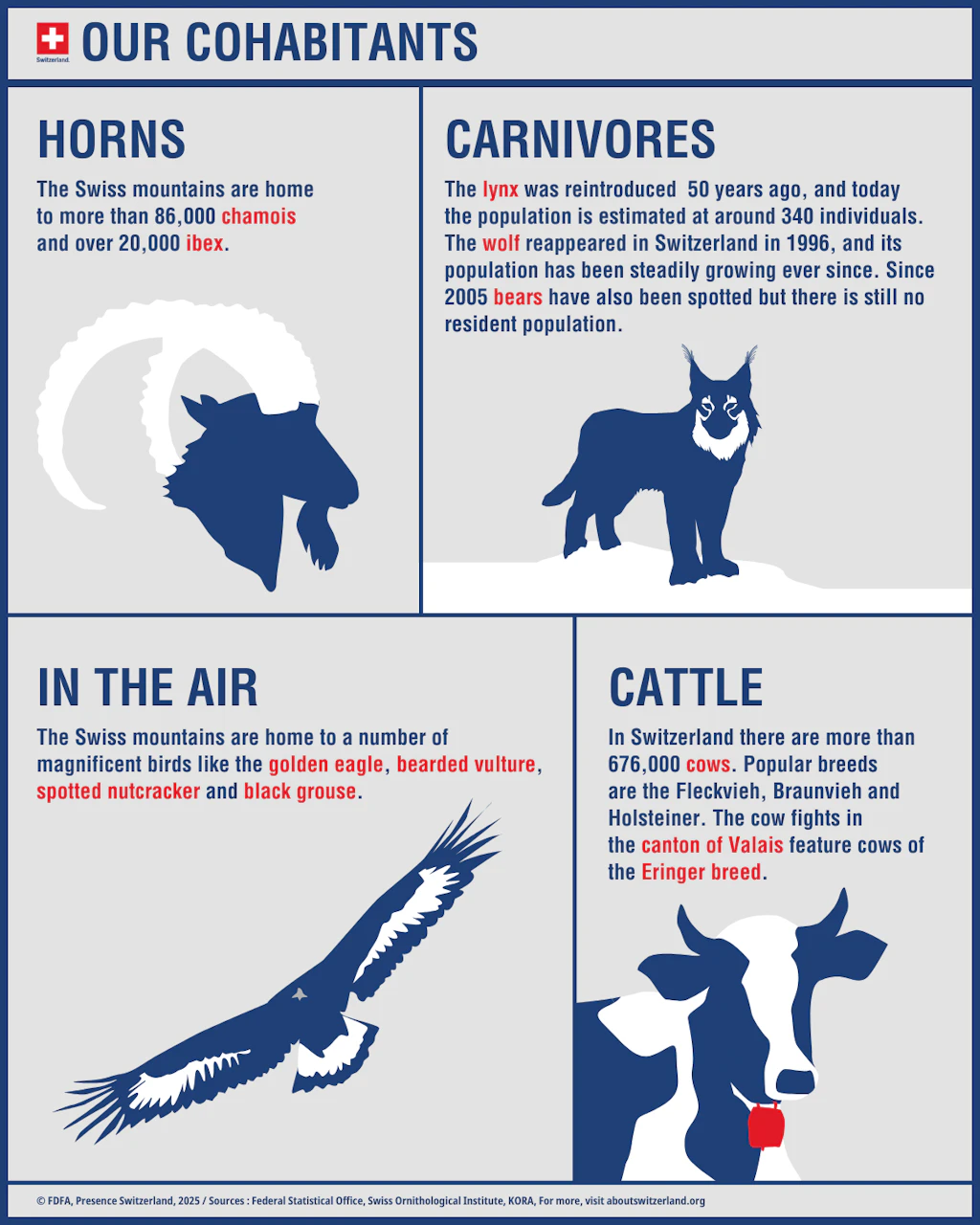
Switzerland's topography and wide-ranging elevations make it a country of microclimates. It is also species-rich, with around 50,000 different types of plant, fungi and animals. More than 100 of these are unique to Switzerland, with most of these being found in the Alps. Mountains cover two thirds of the country and are a defining feature of Switzerland's identity. Many species have adapted to the inhospitable mountain environment, including 600 flowering plants that can only be found in the Alps.
Drinking water – from stream to tap
Switzerland is considered the ‘water tower of Europe’. Its reserves are fed by rainwater, spring water and run-off from snow and glacier melt. Groundwater provides 80% of drinking and process water, with the rest coming from lakes and rivers. 40% of groundwater does not require treatment before it reaches consumers. Since the start of the 1990s, water consumption in Switzerland (including in industry, trade and agriculture) has become more efficient, notably thanks to water-saving technologies and the optimisation of network infrastructure. Consumption has therefore fallen even though the population has increased. Water is a valuable resource, safeguarded by a system of laws, infrastructure, nature conservation measures and modern monitoring processes.
Legislation for clean air
Switzerland is renowned for the excellent quality of its air. Air quality varies from place to place, from season to season and from altitude to altitude. There is more air pollution in urban areas on the Central Plateau than in the Alps and the Jura region. Since the mid-1980s, air quality in Switzerland has steadily improved as a result of federal, cantonal and communal clean air policies – in particular the Federal Air Pollution Control Ordinance, which came into force in 1986. The ordinance is based on the Environmental Protection Act and contains a catalogue of measures (in areas such as transport, agriculture and industry) to reduce air pollutant emissions. Air quality in Switzerland is constantly monitored and analysed by the National Air Pollution Monitoring Network (NABEL).
Forests – a renewable habitat
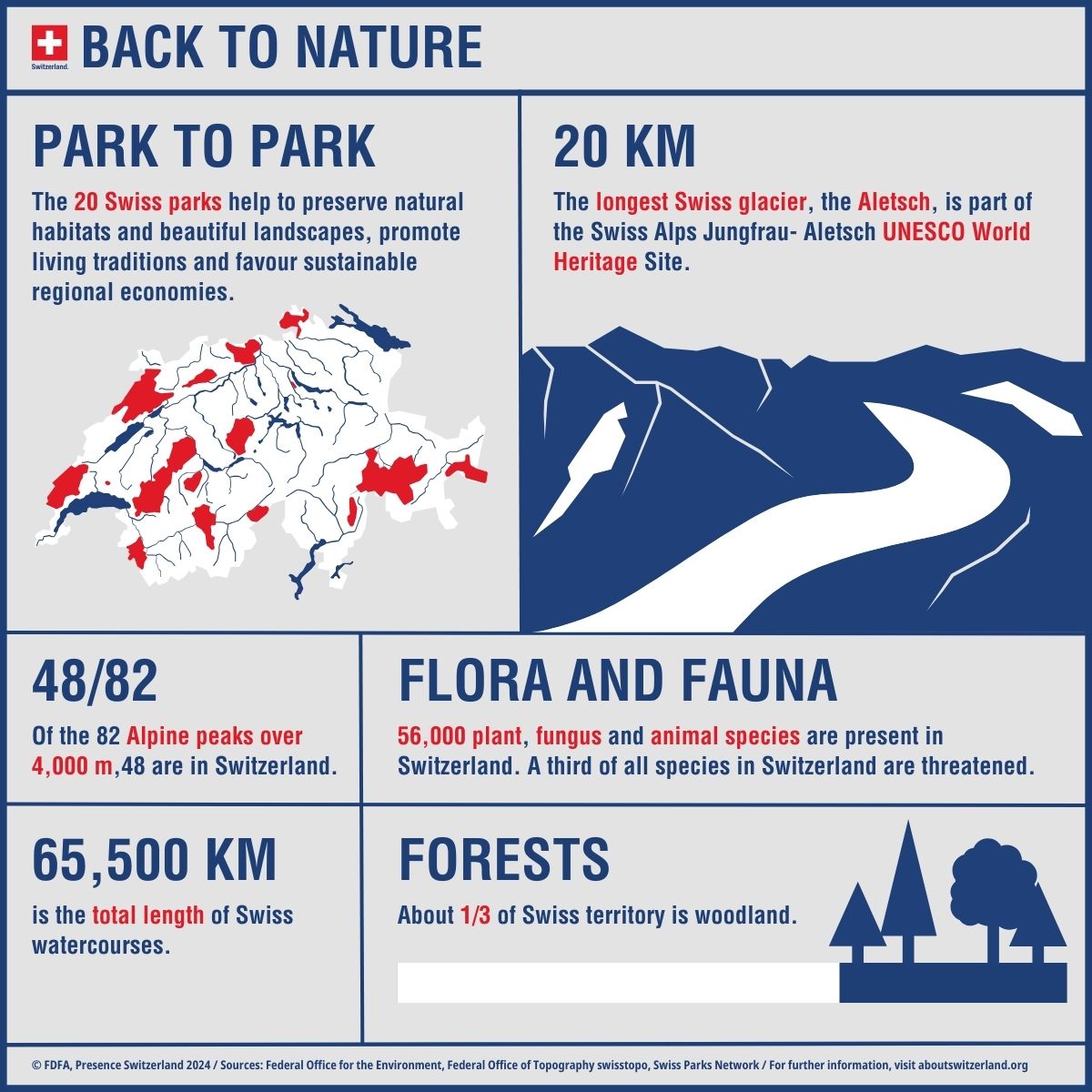
Around a third of Switzerland's surface area is covered by forest. Over the course of the 20th century, the total surface area covered by forests has risen steadily. In 1876, the country introduced a law to protect its forests and curb deforestation. Today, the federal and cantonal authorities oversee the stewardship, protection and conservation of Switzerland's forests and woodlands. As well as their economic role as a source of building material and energy, forests offer essential protection against avalanches, floods and rockfalls. They also help stabilise the soil and hilly terrain, and provide an important habitat for many species of flora and fauna. Swiss forests are home to roughly 30,000 different species of animal, plant and fungi. Spruce, beech, silver fir, maple and oak are the most common trees.
Swiss nature in numbers
- There are 162 sites on the Federal Inventory of Landscapes and Natural Monuments of National Importance (ILNM).
- Some 20 protected areas of national importance cover around 24% of Switzerland's territory. Nineteen of these are nature or nature discovery parks, while one is a national park.
- Biotopes of national importance cover around 2% of the country and include moors, floodplains, amphibian spawning grounds and dry meadows.
- Switzerland's forests have around 130 native species of tree and bush.
- Roughly 30% of forests and woodland are privately owned; the remaining 70% are in public hands.
- Switzerland's drinking-water consumption has fallen by 20% since 1990, despite a 30% increase in the country's population.
- The average daily water consumption in Swiss households is 283 litres per person, compared to 472 litres in 1990.
- Air quality is measured at 16 official monitoring stations located throughout Switzerland in city centres, residential areas, rural regions and other locations where pollution typically occurs.
- The mean elevation in Switzerland is 1,307m. Switzerland has 48 mountain peaks that are at least 4,000m high – more than any other European nation.
- Switzerland's climate is predominantly temperate, but varies significantly due to regional differences in topography. It has four clearly distinct seasons.
- Switzerland is a world leader in recycling: it has an efficient waste management system and actively promotes recycling.
Links
For more on this see

Climate
Switzerland has four distinct seasons. But its varied topography and elevations give it a wide range of microclimates.
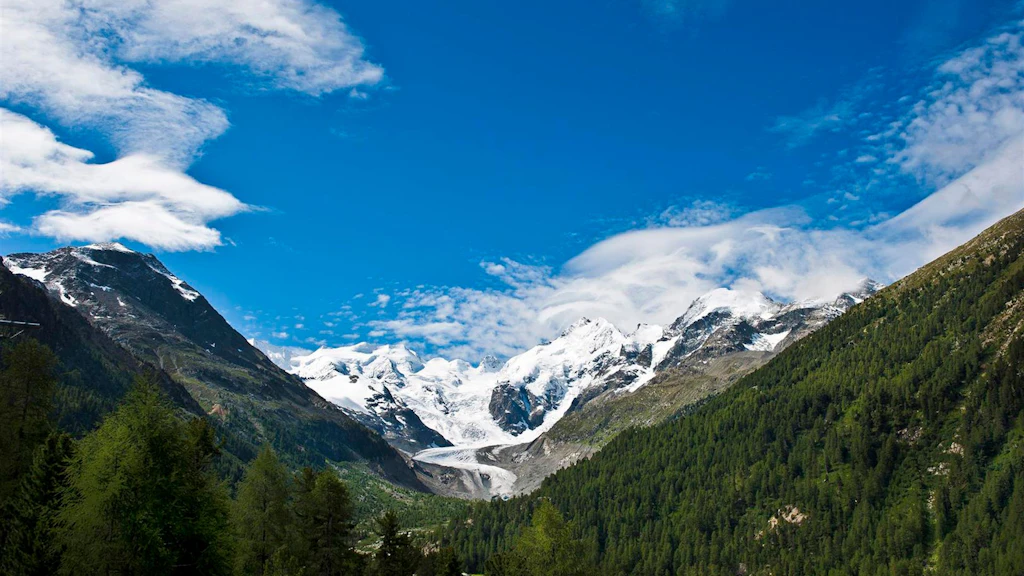
Alpine flora and fauna
The Swiss mountains are home to a host of rare animal and plant species.
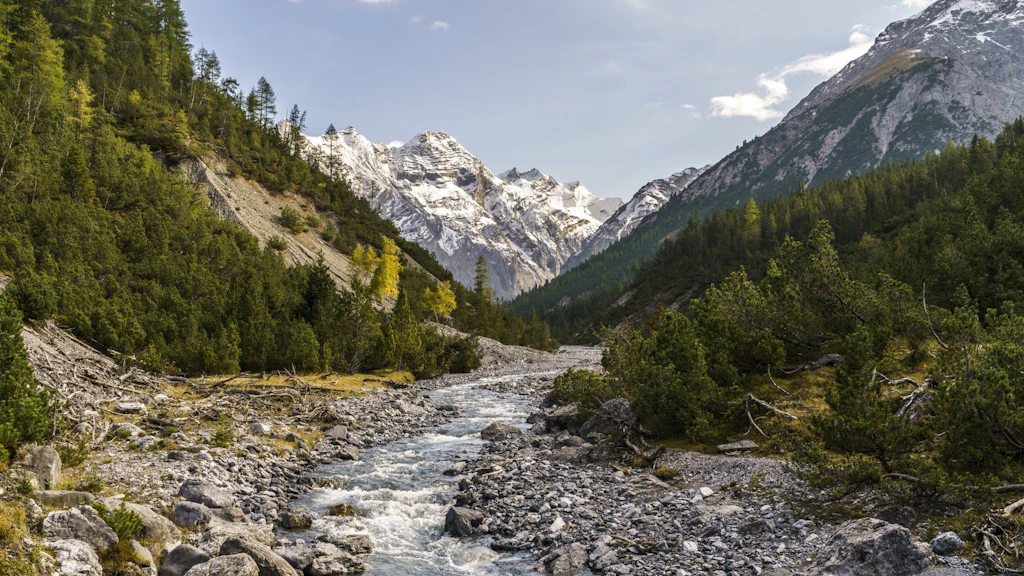
Biodiversity
Biodiversity in Switzerland is high but it is under pressure. The federal government has measures in place to protect the country's natural heritage.
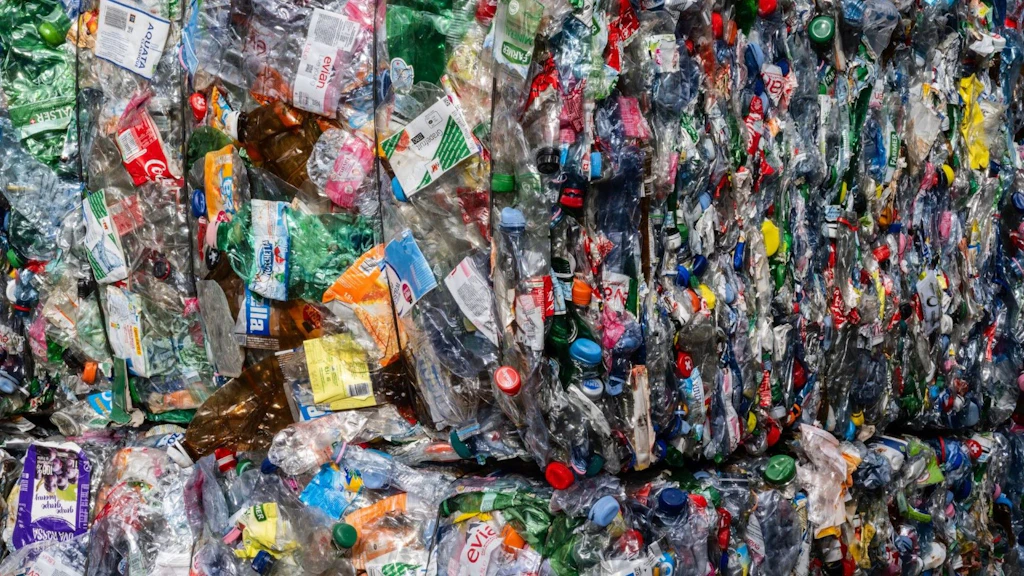
Recycling
Switzerland sorts almost all waste, including green waste, PET, aluminium, glass, iron, batteries, paper and textiles. Around 50% is recycled, the rest is incinerated to produce energy.